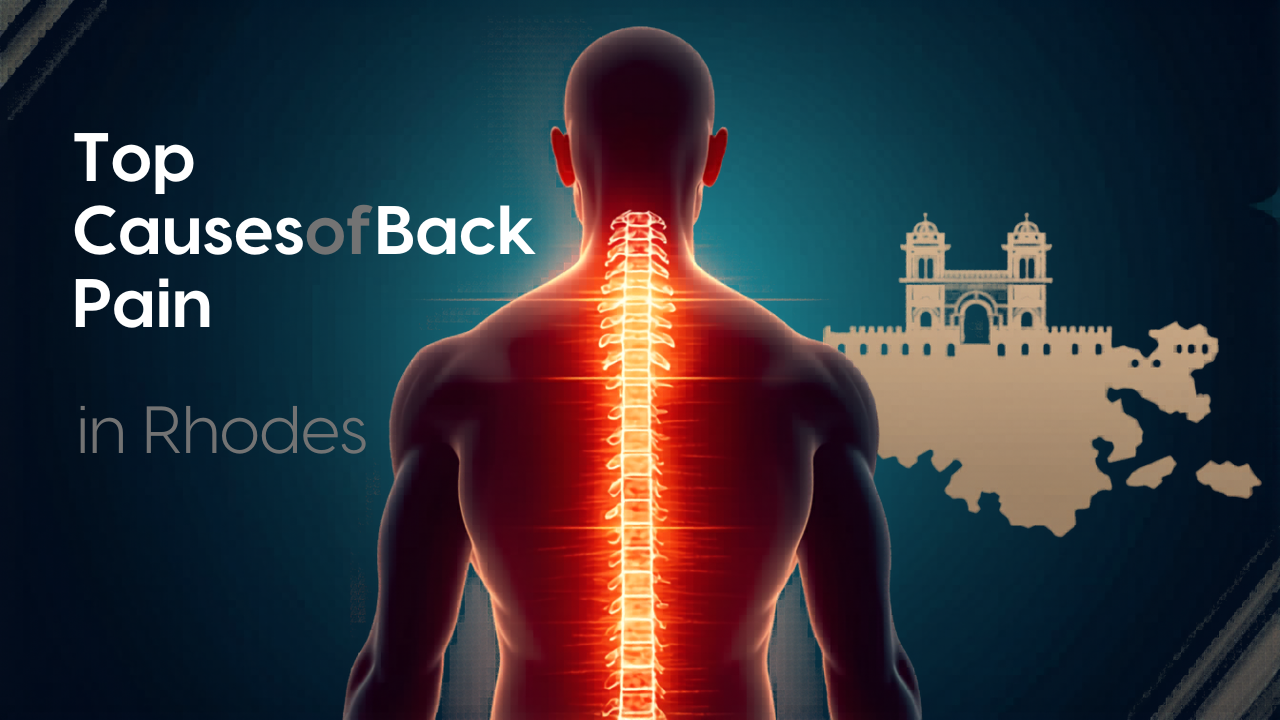
Top Causes of Back Pain in Rhodes
Back pain is one of the most common health complaints worldwide, affecting millions of people across all age groups. Whether you’re a desk worker, manual laborer, athlete, or retiree enjoying life in Rhodes, persistent back pain can significantly impact your quality of life. In fact, research shows that low back pain is a leading cause of disability globally and a major reason for missed work and reduced productivity.
In a location like Rhodes—where lifestyle ranges from tourism-related work to active outdoor living—the causes of back pain can vary widely. Understanding these causes is the first step toward effective relief. One increasingly popular and natural approach to managing back pain is chiropractic care, which focuses on restoring proper spinal alignment and function.
This article explores the top causes of back pain in Rhodes and explains how chiropractic treatment can help relieve pain and improve long-term spinal health.
Understanding Back Pain: A Growing Concern
Back pain is not a single condition but a symptom with many underlying causes. Most cases are classified as “non-specific back pain,” meaning no single clear cause can be identified.
It can be:
- Acute (lasting a few days to weeks)
- Subacute (lasting several weeks)
- Chronic (lasting more than 3 months)
Chronic back pain, in particular, can become debilitating and affect both physical and mental well-being.
Top Causes of Back Pain in Rhodes
1. Poor Posture and Sedentary Lifestyle
With the rise of remote work, many individuals spend long hours sitting—often with poor posture. Slouching, hunching over devices, or using improperly adjusted chairs places excessive strain on the spine.
Why It Matters
- Leads to muscle imbalances
- Increases pressure on spinal discs
- Causes stiffness and chronic discomfort
In Rhodes, hospitality workers and office employees alike often experience posture-related pain due to long shifts or repetitive tasks.
2. Muscle Strain and Overuse
Muscle strain is one of the most common causes of back pain. It often occurs due to:
- Heavy lifting
- Sudden awkward movements
- Repetitive physical activity
Tourism-related jobs in Rhodes—such as hotel staff, tour operators, and construction workers—frequently involve physical exertion that can strain back muscles.
Key Insight
Muscle strain may heal on its own, but repeated strain can lead to chronic issues.
3. Herniated or Bulging Discs
The spine is made up of vertebrae separated by discs that act as cushions. When these discs bulge or rupture, they can press on nearby nerves.
Symptoms Include:
- Sharp or radiating pain
- Numbness or tingling
- Weakness in limbs
Disc-related problems are a leading cause of severe back pain and often require targeted treatment.
4. Lack of Physical Activity
While overuse can cause pain, so can inactivity. A lack of movement weakens core muscles that support the spine.
Effects:
- Reduced flexibility
- Poor spinal stability
- Increased injury risk
Modern lifestyles—even in scenic places like Rhodes—often involve less physical activity than necessary for spinal health.
5. Obesity and Excess Weight
Carrying extra weight—especially around the abdomen—puts additional pressure on the lower back.
Impact:
- Alters posture
- Increases spinal stress
- Accelerates wear and tear
Maintaining a healthy weight is crucial for preventing chronic back pain.
6. Stress and Mental Health Factors
Back pain isn’t just physical. Stress, anxiety, and depression can amplify pain perception and muscle tension.
Recent insights show that psychological factors can play a significant role in chronic back pain, affecting how the brain processes pain signals.
Common Effects:
- Muscle tightness
- Increased sensitivity to pain
- Poor sleep, worsening recovery
7. Age-Related Degeneration
As people age, natural wear and tear occur in the spine.
Conditions Include:
- Osteoarthritis
- Degenerative disc disease
- Spinal stenosis
These conditions are common among older adults in Rhodes and often require ongoing management.
8. Injuries and Accidents
Falls, sports injuries, and car accidents can lead to acute or chronic back pain.
Even minor injuries can cause:
- Misalignment
- Muscle imbalance
- Long-term discomfort if untreated
9. Improper Lifting Techniques
Incorrect lifting is a major contributor to back injuries.
Common Mistakes:
- Bending from the waist instead of knees
- Twisting while lifting
- Carrying uneven loads
Education on proper body mechanics is essential to prevent injury.
10. Sleeping Habits and Poor Mattresses
Your sleeping position and mattress quality significantly affect spinal health.
Problems Include:
- Lack of spinal support
- Misalignment during sleep
- Morning stiffness
A supportive mattress and proper sleep posture can make a major difference.
How Chiropractic Care Helps with Back Pain
Chiropractic care is a non-invasive, drug-free approach focused on diagnosing and treating musculoskeletal disorders—especially those related to the spine.
1. Spinal Manipulation (Adjustments)
The core of chiropractic treatment is spinal manipulation, also known as an adjustment.
Benefits:
- Restores joint mobility
- Reduces nerve irritation
- Improves alignment
Spinal manipulative therapy is widely used as a conservative treatment option for back pain.
2. Pain Relief Without Medication
Chiropractic care offers natural pain relief, reducing the need for:
- Painkillers
- Anti-inflammatory drugs
This is especially beneficial for individuals seeking long-term solutions without medication dependency.
3. Improved Mobility and Flexibility
Chiropractic adjustments help restore range of motion in the spine and surrounding muscles.
Results:
- Easier movement
- Reduced stiffness
- Better physical performance
4. Addressing Root Causes
Unlike treatments that only mask symptoms, chiropractic care focuses on underlying issues such as:
- Misalignment
- Muscle imbalance
- Poor posture
This approach promotes long-term healing rather than temporary relief.
5. Complementary Therapies
Many chiropractors also incorporate:
- Stretching exercises
- Posture correction guidance
- Lifestyle recommendations
This holistic approach enhances recovery and prevents recurrence.
6. Evidence and Effectiveness
Research on chiropractic care shows mixed but generally positive outcomes for certain types of back pain.
- Some studies report short-term improvement in pain and function, especially for acute cases.
- It is considered a conservative management option for spine pain alongside exercise and physical therapy.
However, like any treatment, results vary depending on the individual and the underlying cause.
7. Safety Considerations
Chiropractic care is generally safe when performed by licensed professionals, though mild side effects like soreness can occur. Rare complications may arise in individuals with certain medical conditions.
When Should You See a Chiropractor?
You should consider chiropractic care if you experience:
- Persistent back pain lasting more than a few weeks
- Limited mobility or stiffness
- Pain radiating to arms or legs
- Frequent headaches linked to posture
However, immediate medical attention is necessary if you have:
- Severe trauma
- Loss of bladder or bowel control
- Progressive neurological symptoms
Preventing Back Pain in Daily Life
While treatment is important, prevention is key.
Practical Tips:
- Maintain good posture
- Stay physically active
- Strengthen core muscles
- Lift objects properly
- Manage stress effectively
- Invest in a quality mattress
Consistency in these habits can significantly reduce the risk of recurring back pain.
Conclusion
Back pain in Rhodes—like anywhere in the world—is influenced by a combination of lifestyle, physical, and psychological factors. From poor posture and muscle strain to stress and aging, understanding these causes is essential for effective management.
Chiropractic care offers a natural, holistic approach that focuses on restoring spinal function, reducing pain, and improving overall well-being. While it may not be a one-size-fits-all solution, it plays an important role in a comprehensive back pain treatment plan.
Ultimately, the best outcomes come from a balanced approach that combines professional care, physical activity, and healthy lifestyle choices.