Desk Job Survival Guide (Back Pain Edition)
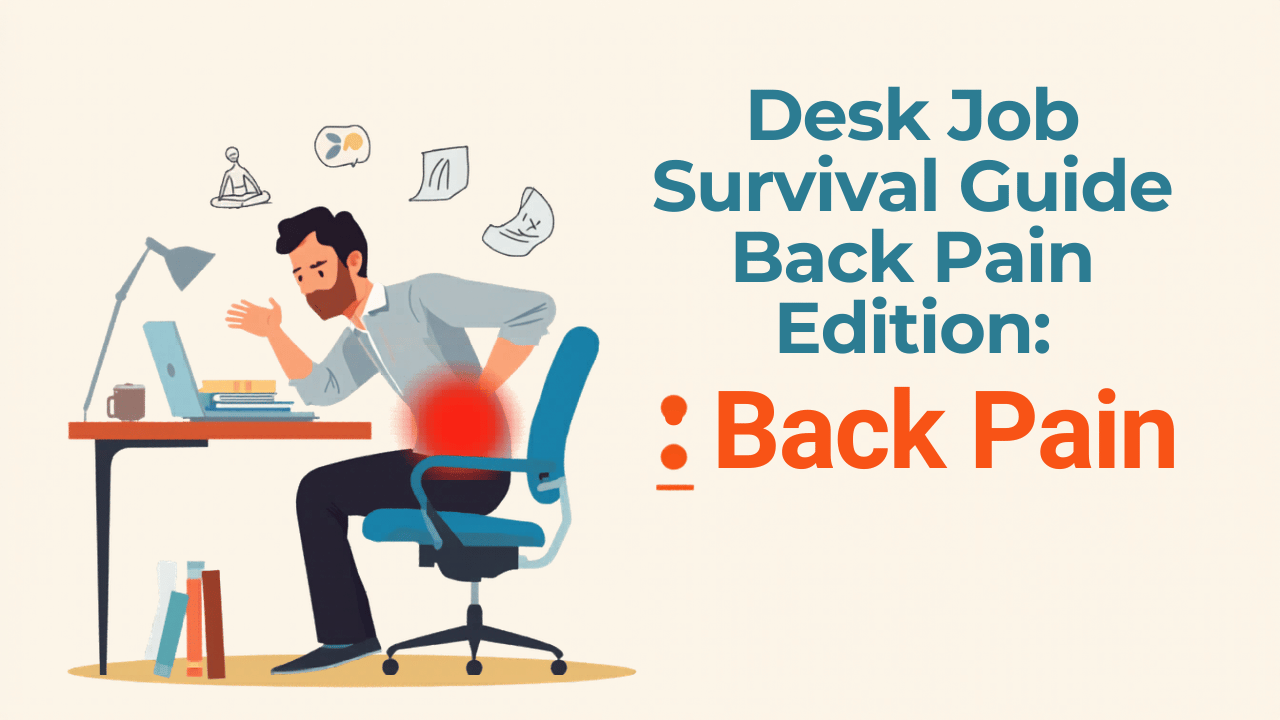
In today’s modern work environment, sitting at a desk for hours has become the norm. While technology has made life more convenient, it has also led to a rise in sedentary lifestyles. Prolonged sitting, poor posture, and inadequate ergonomics can contribute to back pain—a common complaint among office workers.
This Desk Job Survival Guide (Back Pain Edition) provides practical strategies to help you maintain a healthy spine, prevent discomfort, and improve overall well-being while working at a desk.
Understanding Back Pain at Desk Jobs
Before diving into solutions, it’s essential to understand why desk jobs can lead to back pain. The spine is naturally designed for movement. When we sit for prolonged periods, several things happen:
- Increased Pressure on Spinal Discs – Sitting compresses the discs in your lower back, which can cause discomfort and long-term issues.
- Muscle Imbalance – Certain muscles, like hip flexors and hamstrings, tighten due to prolonged sitting, while core and glute muscles weaken.
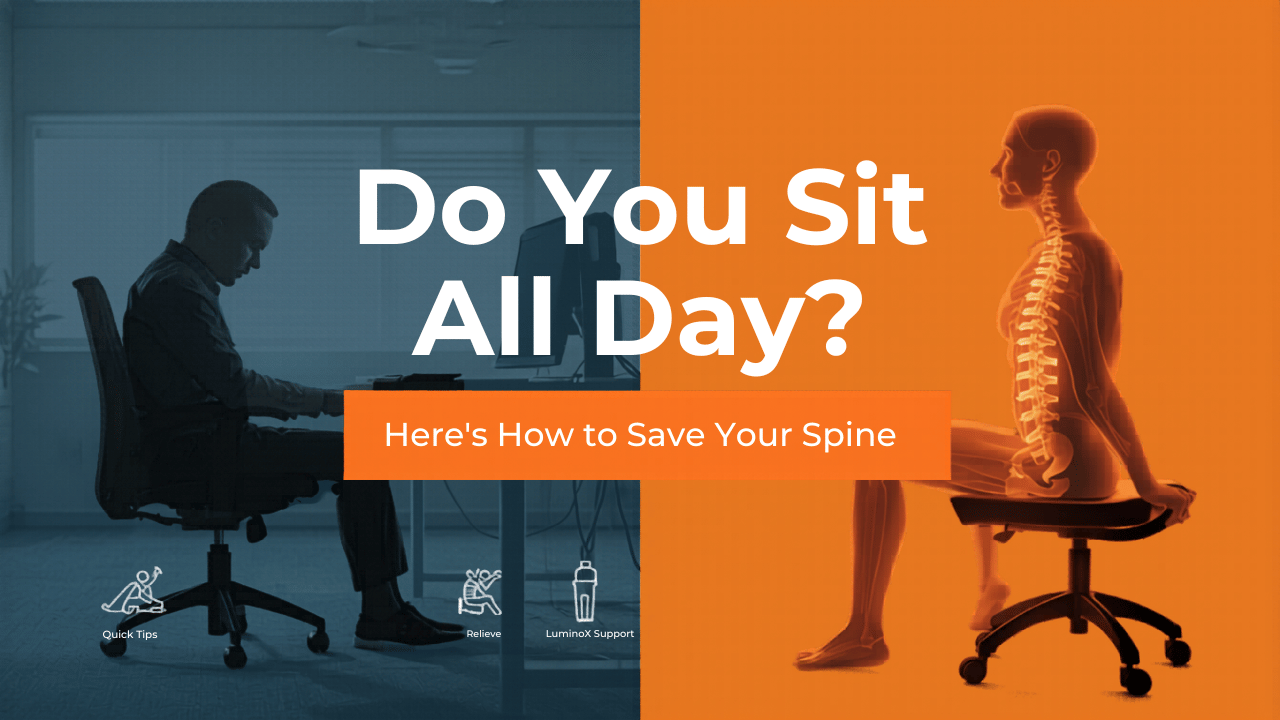
- Poor Posture – Slouching or leaning forward puts additional stress on the spine.
- Reduced Circulation – Extended sitting can decrease blood flow, contributing to stiffness and soreness.
Understanding these factors helps you take proactive measures to protect your spine during long work hours.
Step 1: Optimize Your Workspace Ergonomics
Ergonomics plays a crucial role in preventing back pain at desk jobs. Your workstation should support your body and promote proper posture.
Chair Setup
- Choose a chair with adjustable height, lumbar support, and armrests.
- Sit with your feet flat on the floor and knees at a 90-degree angle.
- Ensure your lower back is supported to maintain the natural curve of the spine.
Desk Height
- Your desk should allow elbows to rest at a 90-degree angle.
- Avoid hunching over the keyboard—your forearms should be parallel to the floor.
Monitor Position
- Position your monitor at eye level to avoid craning your neck.
- Keep the screen about an arm’s length away from your face.
Accessories
- Use a footrest if your feet do not reach the floor comfortably.
- Consider a document holder to keep papers at eye level, reducing neck strain.
Optimizing your workspace reduces stress on your back and neck, making it easier to maintain good posture throughout the day.
Step 2: Prioritize Posture Awareness
Even with the best ergonomic setup, poor posture can lead to back pain. Becoming aware of your posture is the first step in making lasting improvements.
Tips for Maintaining Good Posture
- Sit Tall – Keep your shoulders relaxed and aligned with your hips.
- Engage Your Core – Lightly contract abdominal muscles to support your spine.
- Avoid Slouching – Sit back fully in your chair rather than leaning forward.
- Head Position – Keep your head aligned with your spine, not jutting forward.
Posture awareness is not about perfection—it’s about consistently reminding yourself to sit and move in ways that protect your spine.
Step 3: Take Frequent Movement Breaks
Sitting for prolonged periods is one of the primary contributors to back pain. Movement breaks are essential for spinal health.
Recommended Practices
- Micro-Breaks – Stand, stretch, or walk for 1–2 minutes every 30–60 minutes.
- Walk and Talk – Take phone calls while walking around the office or home.
- Stretching – Focus on stretches that open the chest, shoulders, and hip flexors.
- Standing Desk – Alternate between sitting and standing if possible.
Frequent movement helps reduce stiffness, improve circulation, and prevent muscle imbalances caused by prolonged sitting.
Step 4: Strengthen Your Core and Back Muscles
A strong core and back are essential for preventing and alleviating back pain. Desk workers often experience weak abdominal and glute muscles, which can lead to poor posture and spinal strain.
Key Exercises
- Planks – Engage the entire core while strengthening the lower back.
- Bridges – Strengthen glutes and support the lower spine.
- Seated Rows – Using resistance bands to strengthen upper back muscles.
- Bird Dog – Improves spinal stability and core strength.
Incorporate these exercises into your routine 3–4 times per week for optimal results. Strengthening muscles around the spine provides natural support and reduces discomfort.
Step 5: Stretch Tight Muscles
Prolonged sitting causes certain muscles to tighten, especially hip flexors, hamstrings, and chest muscles. Stretching these areas can alleviate tension and restore balance.
Essential Stretches
- Hip Flexor Stretch – Kneel on one leg, push hips forward, and stretch the front of your hip.
- Hamstring Stretch – Sit or stand and reach for your toes while keeping the spine long.
- Chest Opener – Stretch your chest by clasping hands behind your back and lifting gently.
- Lower Back Stretch – Sit or lie on the floor and bring knees toward your chest.
Perform these stretches throughout the day, especially after long periods of sitting, to maintain flexibility and relieve tightness.
Step 6: Incorporate Desk-Friendly Mobility Tools
Certain tools can make it easier to move and stretch at your desk, promoting spinal health.
- Foam Rollers – Use for upper back and glute release.
- Massage Balls – Target tight spots in the shoulders and back.
- Standing Desks or Desk Converters – Alternate positions to reduce pressure on the spine.
- Ergonomic Cushions – Provide additional lumbar support.
Using these tools regularly can prevent discomfort from building up over the workday.
Step 7: Mind Your Daily Habits
Back pain isn’t just caused by work posture; daily habits play a significant role in spinal health.
Healthy Lifestyle Habits
- Stay Active – Walk, bike, or engage in recreational activities outside of work.
- Maintain Healthy Weight – Excess weight adds strain to the spine.
- Sleep Well – A supportive mattress and pillow help the spine rest properly.
- Hydration – Drinking enough water helps maintain disc health.
Incorporating healthy habits into your daily routine creates a holistic approach to preventing and managing back pain.
Step 8: Manage Stress
Stress can exacerbate back pain by causing muscle tension, especially in the neck and shoulders. Incorporating stress management techniques can help relieve discomfort.
Stress Reduction Techniques
- Deep Breathing Exercises – Calms the nervous system and reduces tension.
- Mindfulness Meditation – Helps you focus on posture and body awareness.
- Short Walks – Physical activity reduces stress hormones.
- Progressive Muscle Relaxation – Alternately tensing and relaxing muscles to release tension.
Managing stress is as important as physical activity in maintaining spinal health.
Step 9: Know When to Seek Professional Help
While many strategies can prevent and relieve back pain, it’s essential to recognize when professional care is needed. Consult a chiropractor, physiotherapist, or healthcare provider if you experience:
- Persistent or worsening back pain
- Numbness or tingling in the legs or arms
- Pain that interferes with daily activities
- Limited range of motion or mobility
Professional intervention ensures that serious issues are addressed early and appropriately.
Step 10: Create a Sustainable Routine
Consistency is key to managing back pain. A sustainable routine combines movement, exercise, posture awareness, and ergonomic practices.
Sample Daily Routine
- Morning – Light stretching and 5–10 minutes of core activation exercises.
- Work Hours – Use an ergonomic setup, take micro-breaks every 30–60 minutes, and do posture checks.
- Lunch Break – Take a walk or perform hip and back stretches.
- Afternoon – Continue stretching and consider standing for part of your work.
- Evening – Strength training or yoga to support spinal health.
A structured routine helps prevent pain from accumulating and improves overall productivity and well-being.
Additional Tips for Desk Job Workers
- Alternate Tasks – Rotate between sitting and standing tasks to reduce static posture.
- Use Technology Wisely – Voice typing and phone calls on speaker mode reduce repetitive strain.
- Wear Supportive Footwear – Shoes with proper arch support help maintain posture while standing.
- Stay Mindful – Regularly assess how you sit, type, and move throughout the day.
Small adjustments made consistently can have a significant impact over time.
Conclusion
Back pain is a common challenge for desk job workers, but it is not inevitable. By implementing ergonomic principles, posture awareness, regular movement, stretching, and strength training, you can protect your spine and improve overall comfort. Incorporating stress management, healthy habits, and professional guidance when needed creates a holistic approach to long-term spinal health.
A proactive mindset is key: don’t wait for pain to appear—start implementing these strategies today. With a structured routine and consistent care, you can survive the demands of desk work without compromising your back health.