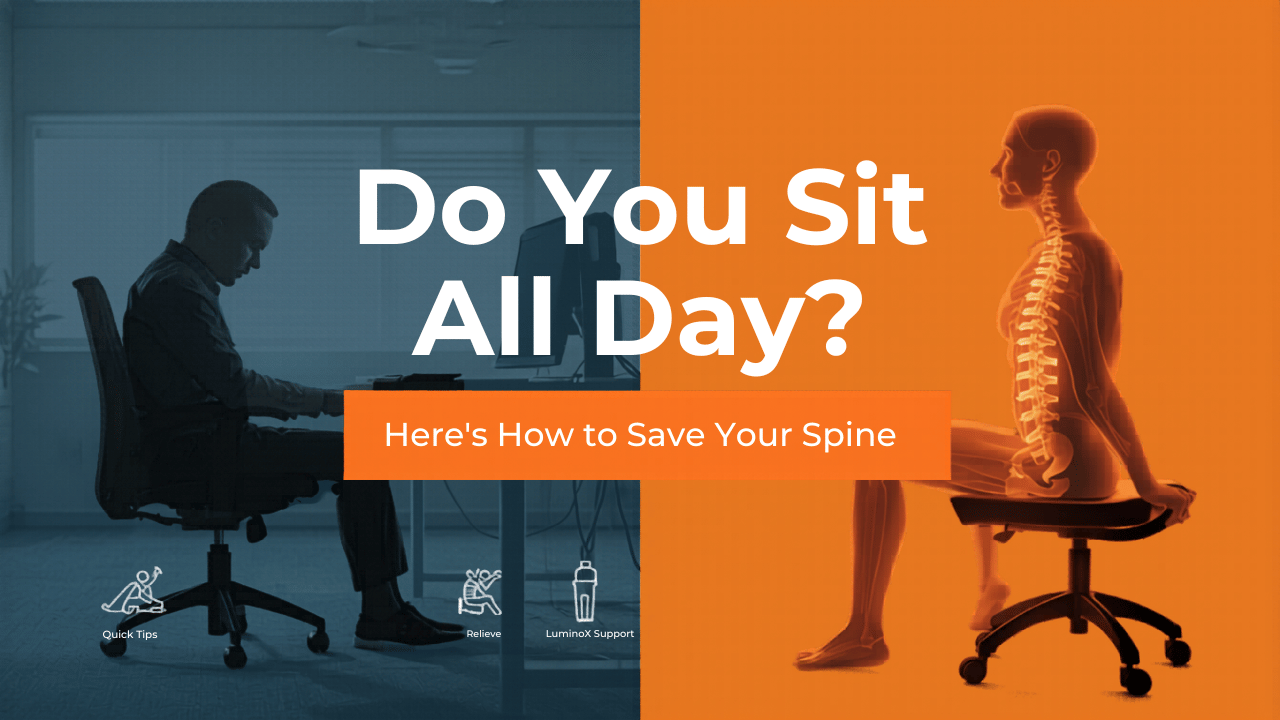
Do You Sit All Day? Here’s How to Save Your Spine
In today’s digital era, sitting has become the default position for much of our lives. Whether you’re working at a desk, commuting, or binge-watching your favorite shows, the average adult spends anywhere from 6 to 10 hours a day sitting. While this may seem harmless, prolonged sitting can have serious consequences for your spine, posture, and overall health. Understanding the impact of a sedentary lifestyle and learning strategies to protect your spine are crucial for long-term well-being.
Understanding the Impact of Prolonged Sitting
Sitting may feel passive, but it exerts significant stress on your spine and musculoskeletal system. Unlike standing or moving, sitting compresses your spinal discs, reduces blood flow, and weakens the muscles that support your back. Over time, this can contribute to a range of issues, including chronic back pain, poor posture, and even increased risk of cardiovascular and metabolic disorders.
1. Increased Pressure on Spinal Discs
The human spine is designed for movement. Each vertebra is cushioned by intervertebral discs that act as shock absorbers. When you sit, especially with poor posture, the lumbar (lower) spine experiences increased pressure. Studies show that sitting can exert up to 40% more pressure on your spinal discs compared to standing. Over time, this can lead to disc degeneration, herniation, and chronic lower back pain.
2. Weakening of Core and Back Muscles
Sitting for extended periods causes your core muscles—abdominal and back muscles that stabilize your spine—to weaken. Without these essential muscles, your spine loses support, increasing the likelihood of slouching and improper alignment. A weak core also contributes to fatigue, making even short bouts of standing or movement feel uncomfortable.
3. Poor Posture and Misalignment
Slumping in front of a computer or hunching over a phone is common in sedentary lifestyles. This forward head posture and rounded shoulders strain the cervical (neck) and thoracic (upper back) spine. Over time, poor posture can lead to tension headaches, stiff necks, and spinal misalignment, affecting your daily comfort and long-term mobility.
4. Reduced Circulation and Spine Health
Sitting for long periods restricts blood flow to your lower body, which not only contributes to swelling in the legs but also limits nutrient delivery to spinal tissues. Healthy discs require consistent blood flow and nutrient exchange to stay resilient. Chronic sitting reduces this essential supply, accelerating wear and tear on spinal structures.
Common Spine Issues Linked to Prolonged Sitting
- Lower Back Pain: The most common complaint among desk workers, often caused by disc compression and weak support muscles.
- Neck and Shoulder Pain: Hunching and forward head posture strain upper back muscles and cervical vertebrae.
- Herniated Discs: Chronic pressure on spinal discs may cause them to bulge or rupture.
- Sciatica: Compression of the sciatic nerve due to disc issues or tight hip muscles can cause radiating leg pain.
- Postural Imbalances: Long-term sitting may lead to rounded shoulders, anterior pelvic tilt, and spinal curvature changes.
Strategies to Protect Your Spine While Sitting
While sitting is inevitable in modern life, there are evidence-based strategies to minimize its impact and save your spine.
1. Optimize Your Ergonomic Setup
An ergonomically designed workspace reduces spinal strain and promotes neutral posture.
- Chair: Choose a chair with adjustable height, lumbar support, and a seat that allows your knees to bend at 90 degrees.
- Desk Height: Your desk should allow your elbows to rest comfortably at 90-degree angles while typing.
- Monitor Position: Position your screen at eye level, about 20–30 inches from your face, to avoid hunching.
- Foot Placement: Keep feet flat on the floor or on a footrest to maintain proper hip and spinal alignment.
2. Maintain Neutral Spine Posture
Neutral posture is key to minimizing spinal stress:
- Lower Back Support: Use a lumbar cushion or rolled towel to support the natural curve of your lower back.
- Shoulder Alignment: Keep shoulders relaxed and pulled slightly back.
- Head Position: Align ears with shoulders to prevent forward head posture.
- Hip and Knee Angles: Maintain 90–100 degrees at your hips and knees for optimal disc health.
3. Incorporate Movement Breaks
Even brief movement breaks can significantly reduce spinal stress.
- Micro-Breaks: Stand up, stretch, or walk for 1–2 minutes every 30–45 minutes.
- Dynamic Stretching: Perform gentle spinal twists, shoulder rolls, and hamstring stretches to release tension.
- Walking Meetings: Replace some seated meetings with short walking sessions to promote circulation.
4. Strengthen Core and Back Muscles
A strong core acts as a natural support system for your spine.
- Planks and Bridges: Strengthen abdominal and lower back muscles to support spinal alignment.
- Back Extensions: Use stability balls or mat exercises to strengthen the erector spinae muscles.
- Resistance Training: Incorporate resistance bands or weights to improve posture and spinal stability.
5. Stretch Key Muscles Affected by Sitting
Prolonged sitting tightens muscles like the hip flexors and hamstrings, affecting spinal alignment.
- Hip Flexor Stretch: Kneel on one knee and push hips forward gently to open tight hip flexors.
- Hamstring Stretch: Sit or stand to lengthen the hamstrings, which attach to the pelvis and influence lower back tension.
- Chest Opener: Stretch the chest to counteract rounding of shoulders and improve thoracic posture.
6. Consider Standing or Adjustable Desks
Alternating between sitting and standing reduces spinal compression and improves circulation.
- Sit-Stand Routine: Alternate every 30–60 minutes to relieve pressure on discs and engage core muscles.
- Anti-Fatigue Mats: If standing for extended periods, use cushioned mats to reduce leg and lower back strain.
- Monitor Adjustment: Ensure monitors are adjusted when transitioning from sitting to standing to maintain neutral spine posture.
7. Use Posture-Correcting Tools
- Lumbar Cushions: Provide extra support for lower back curves.
- Posture Braces: Wearable devices can help remind you to maintain proper spinal alignment.
- Ergonomic Keyboards and Mice: Reduce upper back and shoulder strain by promoting neutral arm positions.
8. Prioritize Hydration and Nutrition
Healthy discs and spinal tissues rely on proper hydration and nutrient intake.
- Water: Drink regularly to keep intervertebral discs hydrated.
- Anti-Inflammatory Foods: Omega-3 fatty acids, leafy greens, and nuts help reduce inflammation in spinal tissues.
- Avoid Excess Sugar and Processed Foods: These can contribute to systemic inflammation and joint stiffness.
9. Mind Your Daily Habits
Spine health extends beyond your desk.
- Sleep Position: Use a supportive mattress and pillow to maintain spinal alignment. Side sleepers may benefit from a pillow between the knees.
- Carrying Weight: Avoid carrying heavy bags on one shoulder; distribute weight evenly.
- Exercise Variety: Engage in swimming, yoga, or pilates to strengthen back muscles and improve flexibility.
10. Seek Professional Support When Needed
Sometimes, professional intervention is necessary to correct chronic or severe spinal issues.
- Chiropractic Care: Chiropractors can assess alignment, perform adjustments, and provide exercises to alleviate pain.
- Physiotherapy: Targeted rehabilitation helps strengthen muscles, improve mobility, and prevent further injury.
- Medical Evaluation: Persistent pain or numbness may indicate disc herniation, nerve compression, or other conditions requiring medical attention.
The Long-Term Benefits of Spine-Friendly Sitting Habits
Adopting healthy sitting habits and integrating movement into your daily routine offers numerous benefits:
- Reduced Risk of Chronic Pain: Proper posture and regular movement prevent lower back, neck, and shoulder pain.
- Improved Posture and Alignment: Strengthening and stretching counteract slouching and spinal misalignment.
- Enhanced Energy and Focus: Movement breaks improve circulation, reducing fatigue and enhancing productivity.
- Prevention of Disc Degeneration: Proper alignment and frequent breaks reduce disc compression and the risk of herniation.
- Overall Health Improvement: Reduced sitting time lowers the risk of metabolic, cardiovascular, and musculoskeletal disorders.
Lifestyle Changes to Complement Spine Health
Protecting your spine isn’t limited to your workday. Small lifestyle adjustments can have significant long-term benefits:
- Active Commutes: Walk or cycle instead of driving whenever possible.
- Recreational Exercise: Engage in low-impact activities like swimming, yoga, or Pilates to strengthen the spine without excessive strain.
- Mindful Movement: Practice awareness of posture while performing daily tasks such as cooking, cleaning, or lifting.
- Regular Check-Ups: Routine assessments with healthcare professionals help detect early signs of spinal stress.
Conclusion
Sitting all day is a modern reality, but it doesn’t have to come at the expense of your spine. Understanding the risks associated with prolonged sitting and implementing practical strategies—from ergonomic adjustments and frequent movement breaks to core strengthening and professional support—can protect your spinal health for the long term.
By taking proactive steps, you can enjoy your work, hobbies, and daily life without the burden of chronic back pain, poor posture, or limited mobility. Remember, a healthy spine is the foundation of overall well-being, energy, and productivity. Start today: sit smart, move often, and prioritize your spinal health to thrive in the sedentary world we live in.