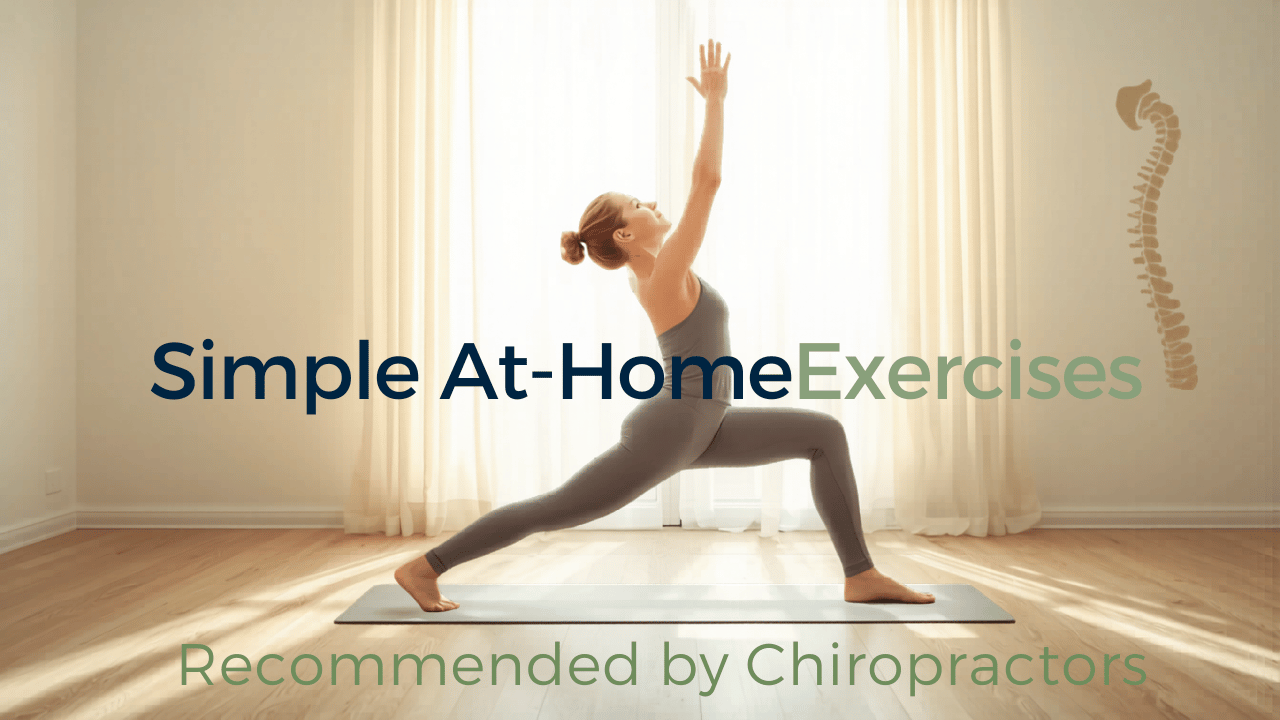
Simple At-Home Exercises Recommended by Chiropractors: A Complete Guide
Maintaining a healthy spine and overall musculoskeletal health doesn’t always require a trip to a clinic. Chiropractors emphasize the importance of daily movement, posture awareness, and targeted exercises that support spinal alignment. Simple exercises performed at home can help prevent pain, improve flexibility, boost mobility, and enhance overall well-being. In this guide, we’ll explore effective at-home exercises recommended by chiropractors, their benefits, and practical tips for performing them safely.
Why Chiropractors Recommend At-Home Exercises
Chiropractic care focuses on optimizing the function of the spine and nervous system. While spinal adjustments performed in clinics are effective, chiropractors stress that lasting results require patient participation. At-home exercises:
- Strengthen muscles that support the spine
- Improve posture and spinal alignment
- Increase flexibility and range of motion
- Reduce the risk of injury
- Help manage chronic pain
- Promote overall wellness
By incorporating simple exercises into your daily routine, you reinforce the benefits of chiropractic treatments and take control of your spinal health.
Key Principles for Safe At-Home Exercises
Before diving into specific exercises, chiropractors emphasize a few key principles:
- Warm Up First: Always start with a 5-10 minute warm-up, such as light walking or gentle stretching, to prepare muscles and joints.
- Maintain Proper Form: Incorrect form can cause more harm than good. Use mirrors or record yourself to ensure proper posture.
- Start Slowly: Begin with a small number of repetitions or sets and gradually increase as your strength improves.
- Listen to Your Body: Mild discomfort is normal, but sharp pain or numbness signals that you should stop immediately.
- Consistency is Key: Short, daily exercises are more effective than sporadic intense workouts.
1. Neck Stretches for Spinal Alignment
Poor posture, especially from prolonged sitting or screen time, can lead to neck tension and headaches. Chiropractors recommend gentle neck stretches to maintain alignment and relieve stress.
Exercise 1: Chin Tucks
- Sit or stand with your back straight.
- Gently tuck your chin toward your chest without rounding your shoulders.
- Hold for 5 seconds, then release.
- Repeat 10-15 times.
Exercise 2: Lateral Neck Stretch
- Sit upright and slowly tilt your head to the right, bringing your ear toward your shoulder.
- Hold for 15-20 seconds and switch sides.
- Repeat 3-5 times on each side.
Benefits: Reduces neck stiffness, improves posture, and can alleviate tension headaches.
2. Shoulder and Upper Back Exercises
Weak upper back and shoulder muscles contribute to poor posture, hunching, and chronic upper back pain. Chiropractors recommend exercises to strengthen these areas and support proper spinal alignment.
Exercise 1: Shoulder Blade Squeezes
- Sit or stand with your back straight.
- Squeeze your shoulder blades together, holding for 5 seconds.
- Relax and repeat 10-15 times.
Exercise 2: Wall Angels
- Stand with your back against a wall, feet a few inches away.
- Press your lower back, upper back, and head against the wall.
- Slowly raise your arms like making a snow angel, keeping them against the wall.
- Lower your arms and repeat 10 times.
Benefits: Strengthens postural muscles, reduces upper back tension, and improves shoulder mobility.
3. Core Strengthening Exercises
A strong core is essential for spinal stability and injury prevention. Chiropractors often prescribe core exercises because weak abdominal and lower back muscles contribute to pain and postural issues.
Exercise 1: Pelvic Tilts
- Lie on your back with knees bent and feet flat on the floor.
- Flatten your lower back against the floor by tightening your abdominal muscles.
- Hold for 5 seconds, then release.
- Repeat 10-15 times.
Exercise 2: Bird-Dog Exercise
- Start on hands and knees in a tabletop position.
- Extend your right arm forward and left leg backward, keeping your back straight.
- Hold for 5-10 seconds, then switch sides.
- Repeat 10 times per side.
Benefits: Strengthens deep core muscles, improves spinal stability, and reduces lower back pain.
4. Lower Back Stretching and Strengthening
Lower back pain is one of the most common issues chiropractors treat. Gentle stretching and strengthening exercises at home can help relieve discomfort and prevent future problems.
Exercise 1: Cat-Cow Stretch
- Start on hands and knees.
- Arch your back upward (Cat), then slowly lower and lift your chest (Cow).
- Repeat 10-15 times, moving with your breath.
Exercise 2: Knee-to-Chest Stretch
- Lie on your back and pull one knee toward your chest.
- Hold for 20-30 seconds, then switch legs.
- Repeat 2-3 times per leg.
Exercise 3: Bridges
- Lie on your back with knees bent, feet hip-width apart.
- Lift your hips toward the ceiling while squeezing your glutes.
- Hold for 3-5 seconds, then lower.
- Repeat 10-15 times.
Benefits: Relieves tension, strengthens glutes and lower back muscles, and enhances flexibility.
5. Hip Flexor and Leg Exercises
Tight hips and weak legs can lead to lower back strain, poor posture, and reduced mobility. Chiropractors recommend exercises to maintain hip and leg flexibility.
Exercise 1: Hip Flexor Stretch
- Step one foot forward into a lunge position.
- Keep your back leg straight and gently push your hips forward.
- Hold for 20-30 seconds per side.
Exercise 2: Standing Hamstring Stretch
- Stand with feet hip-width apart.
- Extend one leg forward, heel on the floor, and gently lean forward at the hips.
- Hold for 20-30 seconds per leg.
Exercise 3: Clamshells
- Lie on your side with knees bent at 90 degrees.
- Keep feet together and lift the top knee while keeping your pelvis stable.
- Lower and repeat 10-15 times per side.
Benefits: Enhances hip mobility, strengthens glutes, and reduces stress on the lower back.
6. Balance and Stability Exercises
Balance exercises are often overlooked but are crucial for spinal health and injury prevention. Chiropractors often recommend these exercises, especially for older adults or those recovering from injury.
Exercise 1: Single-Leg Stand
- Stand on one leg with your knee slightly bent.
- Hold for 20-30 seconds, then switch legs.
- For added challenge, close your eyes or stand on a soft surface.
Exercise 2: Heel-to-Toe Walk
- Walk in a straight line, placing the heel of one foot directly in front of the toes of the other.
- Perform 10-20 steps forward, then backward.
Benefits: Improves balance, strengthens stabilizing muscles, and reduces fall risk.
7. Gentle Stretching for Daily Relief
Daily stretching helps maintain spinal flexibility and alleviates stiffness caused by prolonged sitting or repetitive movements. Chiropractors recommend incorporating gentle stretches into your morning or evening routine.
Exercise 1: Seated Spinal Twist
- Sit upright in a chair.
- Rotate your torso gently to the right, holding the back of the chair for support.
- Hold for 15-20 seconds and switch sides.
Exercise 2: Side Stretch
- Stand or sit upright and raise one arm overhead.
- Lean to the opposite side until you feel a stretch along your side body.
- Hold for 20 seconds per side.
Benefits: Reduces stiffness, promotes spinal mobility, and encourages relaxation.
Tips for Integrating Chiropractic Exercises at Home
- Set a Routine: Consistency is more important than intensity. Even 10-15 minutes daily can make a significant difference.
- Use Proper Equipment: A yoga mat, resistance bands, or stability ball can enhance comfort and effectiveness.
- Combine with Good Posture Habits: Be mindful of your posture while sitting, standing, or using electronic devices.
- Stay Hydrated: Muscles and joints function better when adequately hydrated.
- Track Progress: Keep a journal of exercises and improvements to stay motivated.
When to Seek Professional Guidance
While at-home exercises are safe for most individuals, chiropractors emphasize consulting a professional if you experience:
- Severe or worsening pain
- Numbness, tingling, or weakness in limbs
- Pain after injury or accident
- Chronic conditions that require medical attention
A chiropractor can provide tailored exercise plans, assess your form, and recommend modifications to ensure safety and maximum benefit.
Conclusion
Simple at-home exercises recommended by chiropractors play a crucial role in maintaining spinal health, improving posture, enhancing mobility, and preventing pain. By incorporating gentle stretches, core strengthening, balance exercises, and daily movement habits, you take an active role in your well-being.
Chiropractic care is not just about adjustments—it’s about empowering individuals to support their own spinal health. With consistent practice, mindful movement, and guidance from a licensed chiropractor, you can enjoy long-term benefits that improve both physical and mental wellness.
Start with a few exercises today, progress gradually, and experience the difference that simple, at-home chiropractic exercises can make in your life.