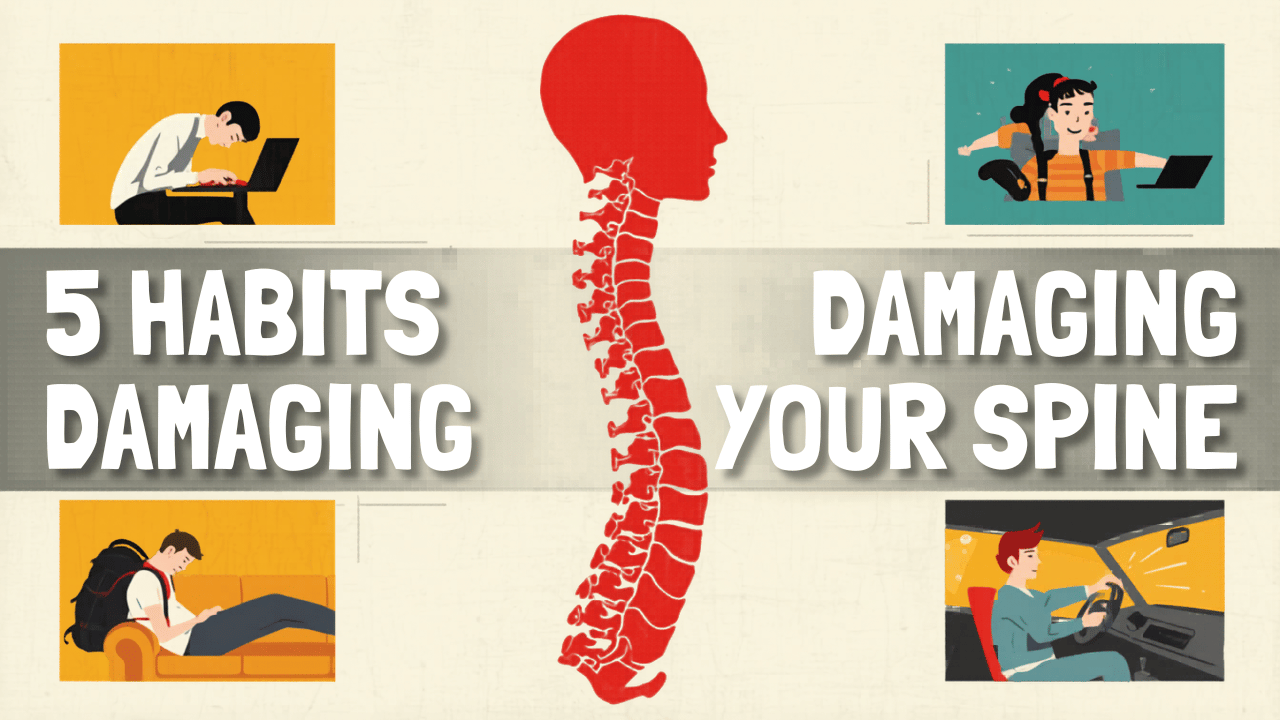
5 Habits That Are Damaging Your Spine Without You Realizing
Your spine is the central support system of your body, responsible for stability, movement, and protecting the spinal cord. Yet, many of the habits we repeat daily—often without a second thought—can slowly undermine spinal health. Unlike sudden injuries, these habits cause gradual damage, leading to chronic pain, stiffness, and reduced mobility over time.
The concerning part? Most people don’t even realize they’re harming their spine until discomfort becomes persistent.
In this professional guide, we’ll explore five common habits that may be silently damaging your spine and what you can do to correct them before they lead to long-term problems.
1. Poor Posture While Sitting
The Hidden Impact
Sitting for long hours, especially with poor posture, is one of the biggest contributors to spinal stress. Slouching, leaning forward, or hunching over a desk places excessive pressure on the lumbar spine and disrupts its natural curve.
Over time, this can lead to:
- Chronic lower back pain
- Tight hip flexors
- Weak core muscles
- Increased risk of disc problems
Modern work culture—especially desk jobs and remote work—has made this habit more common than ever.
Why It Matters
When you sit improperly, your spine absorbs more load than it would while standing. The longer you maintain this position, the more strain builds up in your muscles and ligaments.
How to Fix It
- Keep your feet flat on the floor
- Maintain a neutral spine (avoid slouching)
- Position your screen at eye level
- Use an ergonomic chair with lumbar support
- Take breaks every 30–60 minutes to stand and stretch
Small adjustments can significantly reduce the long-term impact on your spine.
2. Excessive Screen Time (Tech Neck)
The Modern Epidemic
Constantly looking down at your phone, tablet, or laptop creates a condition often referred to as “tech neck.” This forward head posture increases strain on the cervical spine (neck region).
For every inch your head tilts forward, the pressure on your spine increases dramatically.
Common Symptoms
- Neck stiffness and pain
- Shoulder tension
- Headaches
- Upper back discomfort
Over time, this habit can alter spinal alignment and lead to chronic issues.
How to Fix It
- Hold your phone at eye level
- Avoid prolonged downward gaze
- Use voice commands or hands-free options when possible
- Strengthen neck and upper back muscles
- Practice posture awareness throughout the day
Being mindful of how you use your devices can protect your spine from unnecessary stress.
3. Sleeping in the Wrong Position
Why Sleep Matters for Your Spine
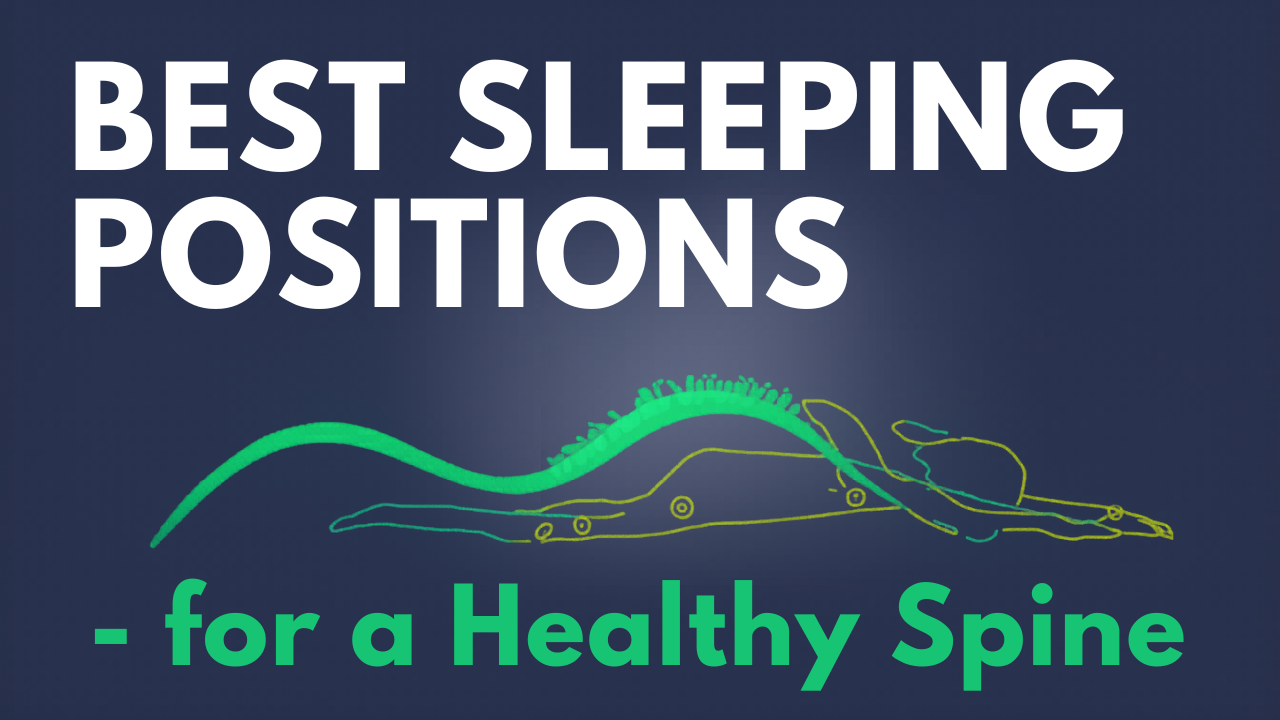
You spend about one-third of your life sleeping, making your sleep posture a critical factor in spinal health. Poor sleeping positions can misalign the spine for hours at a time.
Problematic Sleep Habits
- Sleeping on your stomach (puts strain on neck and lower back)
- Using too many or too few pillows
- Sleeping on a mattress that lacks proper support
These habits can lead to morning stiffness, back pain, and long-term alignment issues.
How to Fix It
- Sleep on your back or side for better alignment
- Use a pillow that supports your neck’s natural curve
- Place a pillow between your knees (side sleepers) or under your knees (back sleepers)
- Invest in a supportive, medium-firm mattress
Improving your sleep setup can make a noticeable difference in how your spine feels each day.
4. Improper Lifting Techniques
A Common Yet Risky Habit
Whether you’re lifting groceries, gym weights, or household items, improper lifting is a major cause of spinal injuries. Bending at the waist instead of the knees puts intense pressure on the lower back.
Potential Consequences
- Muscle strains
- Herniated discs
- Sudden lower back pain
- Long-term spinal damage
Even light objects can cause injury if lifted incorrectly.
How to Fix It
- Bend your knees, not your back
- Keep the object close to your body
- Avoid twisting while lifting
- Engage your core muscles
- Ask for help when lifting heavy items
Practicing proper lifting techniques protects your spine from unnecessary strain.
5. Sedentary Lifestyle
The Silent Threat
A lack of physical activity weakens the muscles that support your spine, particularly the core and back muscles. When these muscles are weak, your spine bears more of the load, increasing the risk of pain and injury.
Effects of Inactivity
- Reduced flexibility
- Poor posture
- Increased stiffness
- Higher risk of chronic back pain
Sedentary behavior is especially common in people with desk jobs or inactive routines.
How to Fix It
- Incorporate regular exercise into your routine
- Focus on core strengthening and flexibility
- Take short walking breaks throughout the day
- Stretch daily to maintain mobility
- Consider low-impact activities like yoga or swimming
Staying active is one of the most effective ways to maintain a healthy spine.
The Bigger Picture: Why These Habits Matter
Individually, these habits may seem harmless. But over time, their cumulative effect can lead to:
- Chronic back and neck pain
- Reduced mobility
- Poor posture
- Increased risk of injury
- Degenerative spinal conditions
The spine is designed for movement and balance—not prolonged stress and neglect.
When to Seek Professional Help
If you’re already experiencing symptoms such as persistent pain, stiffness, or limited mobility, it may be time to consult a professional.
A chiropractor can:
- Assess spinal alignment
- Identify underlying issues
- Provide targeted adjustments
- Recommend exercises and posture corrections
Early intervention can prevent minor issues from becoming chronic conditions.
Simple Daily Routine for Spine Health
To counteract these harmful habits, consider adopting a simple daily routine:
- Morning: Gentle stretching to loosen muscles
- Work hours: Maintain good posture and take breaks
- Afternoon: Engage in light physical activity
- Evening: Avoid prolonged screen time
- Night: Sleep in a spine-friendly position
Consistency is key. Small daily improvements can lead to significant long-term benefits.
Final Thoughts
Your spine supports you every day—literally and figuratively. Yet, the small, repetitive habits in your daily routine may be silently working against it.
The good news is that awareness is the first step toward change. By correcting these five common habits—poor sitting posture, excessive screen time, improper sleep positions, bad lifting techniques, and a sedentary lifestyle—you can protect your spine and improve your overall quality of life.
Taking proactive steps today can help you avoid chronic pain tomorrow. Your spine will thank you for it.