How Stress Affects Your Spine (and What You Can Do)
A Professional, In-Depth Guide
Stress is an unavoidable part of modern life. Whether it stems from work pressures, financial concerns, relationships, or health issues, stress impacts more than just your mental well-being—it has profound physical effects on your body. One of the most overlooked areas affected by stress is the spine.
If you’ve ever noticed your shoulders tightening during a stressful moment or experienced back pain after a long, anxious day, you’ve already felt the connection. This article explores how stress affects your spine, the science behind it, and practical steps you can take to protect your spinal health.
Understanding Stress: The Mind-Body Connection
Stress triggers a physiological response often referred to as the “fight-or-flight” response. When your brain perceives a threat, it releases hormones such as cortisol and adrenaline.
What Happens in Your Body:
- Increased heart rate
- Muscle tension
- Heightened alertness
- Reduced pain tolerance over time
While this response is helpful in short bursts, chronic stress keeps your body in a prolonged state of tension—leading to physical strain, especially in the spine.
The Spine: Your Body’s Structural and Neurological Core
The spine is more than just a stack of bones. It serves two critical functions:
- Structural Support: It holds your body upright and enables movement.
- Neurological Protection: It houses and protects the spinal cord, which transmits signals between your brain and body.
When stress interferes with either function, the effects can ripple throughout your entire system.
How Stress Physically Affects the Spine
1. Muscle Tension and Tightness
One of the most immediate effects of stress is muscle contraction. People often unconsciously tighten muscles in the:
- Neck
- Shoulders
- Upper back
- Lower back
Over time, this constant tension can lead to:
- Muscle fatigue
- Stiffness
- Pain and discomfort
Chronic muscle tightness pulls on the spine, potentially leading to misalignment and reduced mobility.
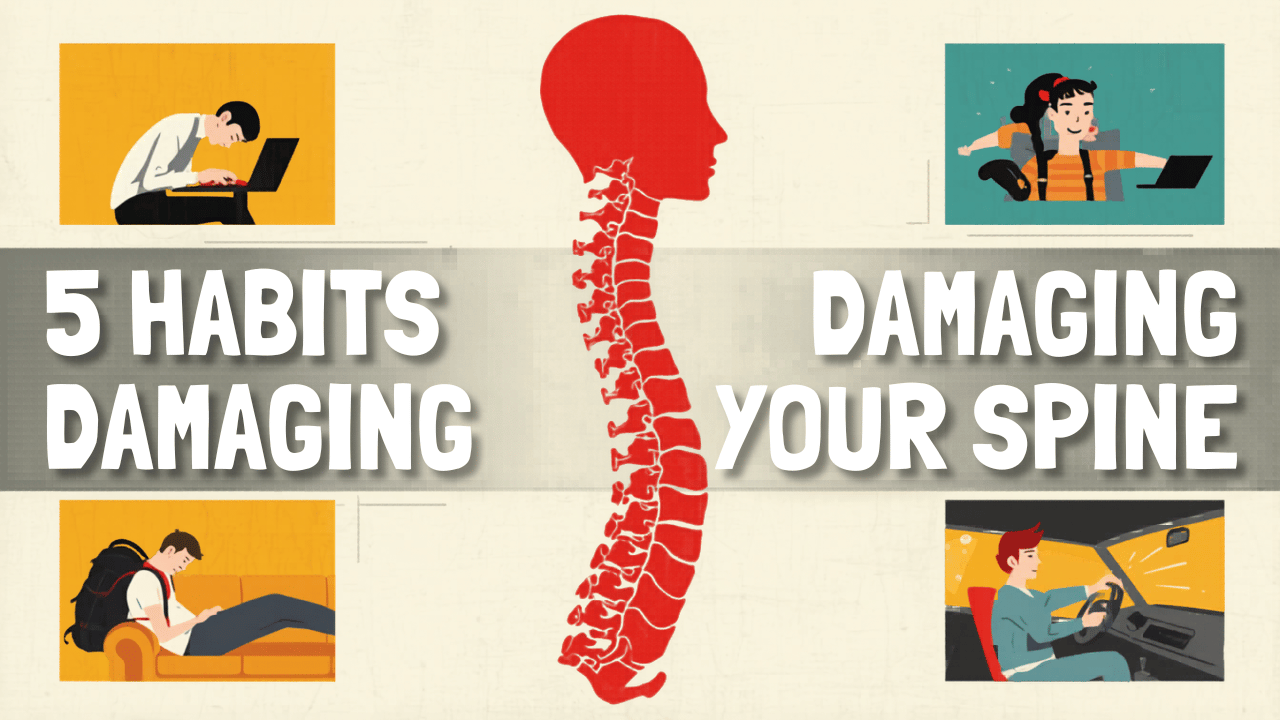
2. Poor Posture
Stress often changes how you carry your body. Common postural changes include:
- Slouching
- Forward head posture
- Rounded shoulders
These positions place excessive strain on the spine, particularly the cervical (neck) and lumbar (lower back) regions.
Over time, poor posture can contribute to:
- Spinal misalignment
- Disc pressure
- Chronic pain
3. Increased Inflammation
Chronic stress elevates cortisol levels, which can disrupt the body’s natural inflammatory response.
Effects on the Spine:
- Increased joint inflammation
- Heightened sensitivity to pain
- Slower healing of spinal tissues
Inflammation can worsen existing conditions such as herniated discs or arthritis.
4. Reduced Blood Flow
Stress can constrict blood vessels, limiting oxygen and nutrient delivery to muscles and spinal tissues.
This may lead to:
- Delayed muscle recovery
- Increased stiffness
- Greater risk of injury
5. Heightened Pain Perception
Stress doesn’t just cause pain—it amplifies it. Chronic stress alters how your brain processes pain signals, making even minor discomfort feel more intense.
This creates a cycle:
Stress → Muscle tension → Pain → More stress
Breaking this cycle is key to long-term spinal health.
Common Stress-Related Spinal Issues
Stress can contribute to or worsen several spinal conditions, including:
- Tension headaches originating from neck strain
- Cervical spine dysfunction (neck pain and stiffness)
- Lower back pain due to muscle tightness and poor posture
- Sciatica-like symptoms from muscle compression
- Myofascial pain syndrome involving trigger points
Signs Your Spine Is Being Affected by Stress
You may not always recognize stress as the root cause of your discomfort. Watch for these signs:
- Persistent neck or back tightness
- Frequent headaches
- Limited range of motion
- Pain that worsens during stressful periods
- Shoulder or upper back stiffness
- Fatigue combined with physical discomfort
What You Can Do: Effective Strategies for Relief
The good news is that you can take proactive steps to reduce the impact of stress on your spine.
1. Practice Stress Management Techniques
Managing stress is the foundation of spinal health.
Effective methods include:
- Deep breathing exercises
- Meditation or mindfulness
- Yoga or tai chi
- Journaling
- Spending time in nature
Even 10–15 minutes a day can significantly reduce muscle tension.
2. Improve Your Posture
Being mindful of your posture can prevent unnecessary strain on your spine.
Tips:
- Keep your head aligned over your shoulders
- Sit with your back straight and feet flat on the floor
- Use ergonomic chairs and workstations
- Take frequent breaks from screens
3. Stay Physically Active
Movement helps counteract the effects of stress on the body.
Recommended activities:
- Walking
- Swimming
- Stretching routines
- Strength training
Exercise improves blood flow, reduces tension, and releases endorphins—your body’s natural pain relievers.
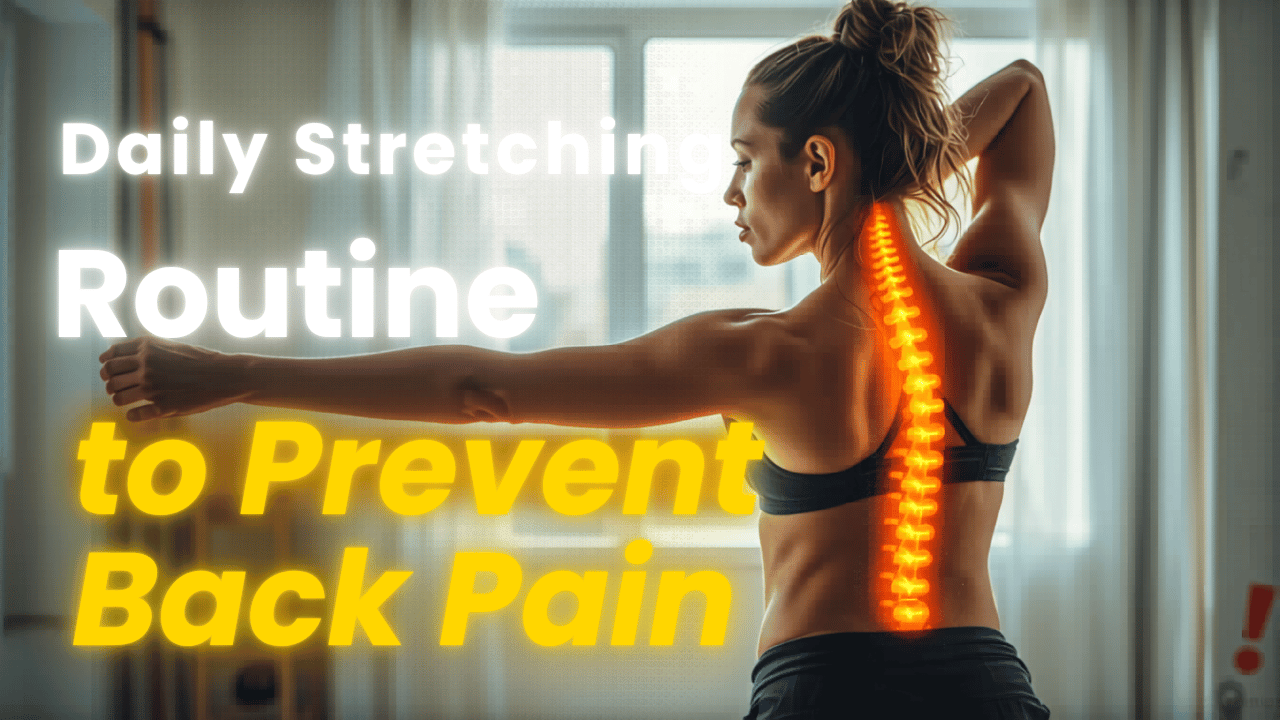
4. Incorporate Stretching into Your Routine
Stretching helps relieve tight muscles and improve flexibility.
Focus on:
- Neck stretches
- Shoulder rolls
- Lower back stretches
- Hamstring stretches
Consistency is key—daily stretching can make a noticeable difference.
5. Seek Chiropractic Care
Chiropractic care can play a significant role in addressing stress-related spinal issues.
How it helps:
- Restores spinal alignment
- Reduces muscle tension
- Improves mobility
- Enhances nervous system function
A chiropractor may also provide personalized advice on posture, ergonomics, and stress management.
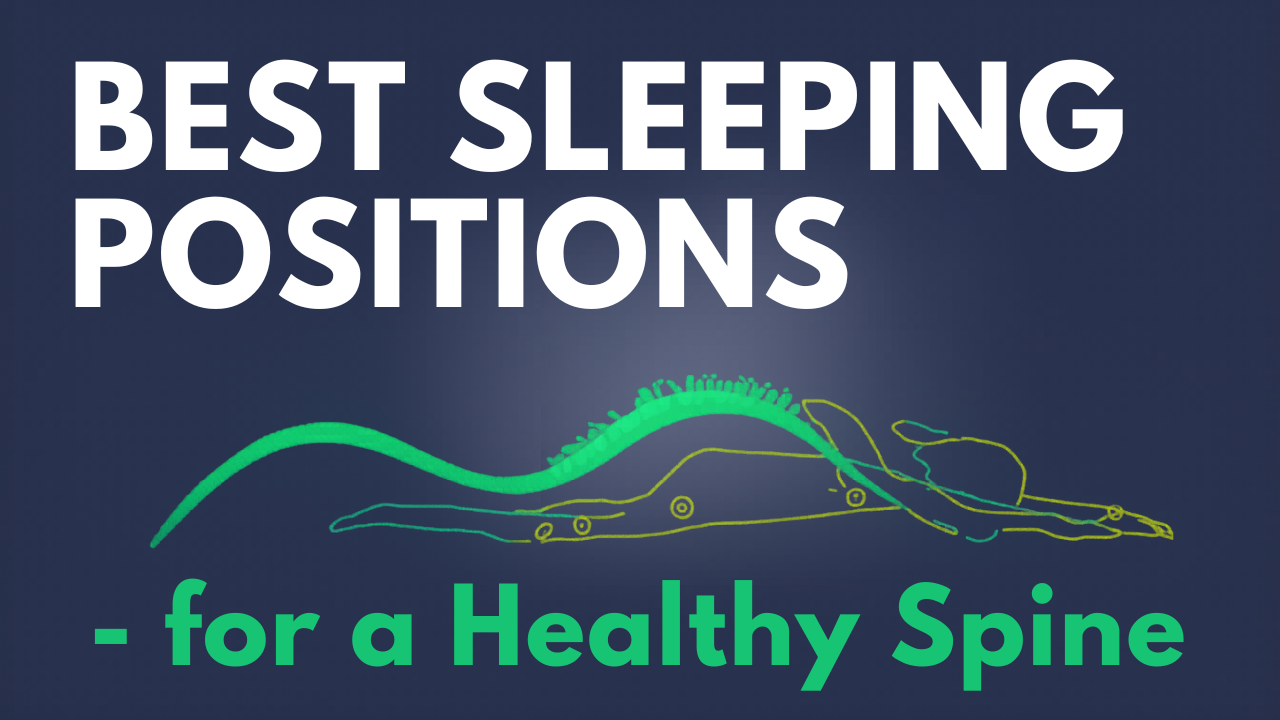
6. Prioritize Sleep
Stress and poor sleep often go hand in hand, and both can negatively affect your spine.
Tips for better sleep:
- Maintain a consistent sleep schedule
- Use a supportive mattress and pillow
- Avoid screens before bedtime
- Create a relaxing nighttime routine
Proper sleep allows your muscles and spine to recover.
7. Use Heat and Relaxation Therapies
Applying heat can help relax tense muscles and improve circulation.
Options include:
- Heating pads
- Warm baths
- Massage therapy
These methods provide temporary relief and complement long-term strategies.
Preventing Long-Term Damage
Ignoring stress-related spinal issues can lead to chronic conditions. Prevention is always better than treatment.
Key Preventive Measures:
- Stay active and maintain a healthy weight
- Practice regular stress management
- Maintain proper posture
- Address discomfort early before it worsens
- Schedule routine wellness check-ups
When to Seek Professional Help
While self-care is important, certain symptoms require professional attention:
- Persistent or worsening back or neck pain
- Numbness or tingling
- Pain radiating down the arms or legs
- Limited mobility
- Pain interfering with daily activities
A healthcare provider or chiropractor can assess your condition and recommend appropriate treatment.
The Bigger Picture: Holistic Health Matters
Your spine doesn’t function in isolation—it reflects your overall physical and emotional health. Chronic stress affects multiple systems in the body, and spinal discomfort is often one of the first warning signs.
Addressing both the physical and emotional aspects of stress leads to better outcomes than focusing on one alone.
Final Thoughts
Stress is an invisible force with very visible effects—especially on your spine. From muscle tension and poor posture to inflammation and chronic pain, the impact of stress on spinal health is both real and significant.
The encouraging news is that you have control. By adopting healthy habits, managing stress effectively, and seeking appropriate care when needed, you can protect your spine and improve your overall quality of life.
Taking care of your spine isn’t just about avoiding pain—it’s about supporting your body’s foundation so you can move, live, and feel your best every day.