Daily Stretching Routine to Prevent Back Pain
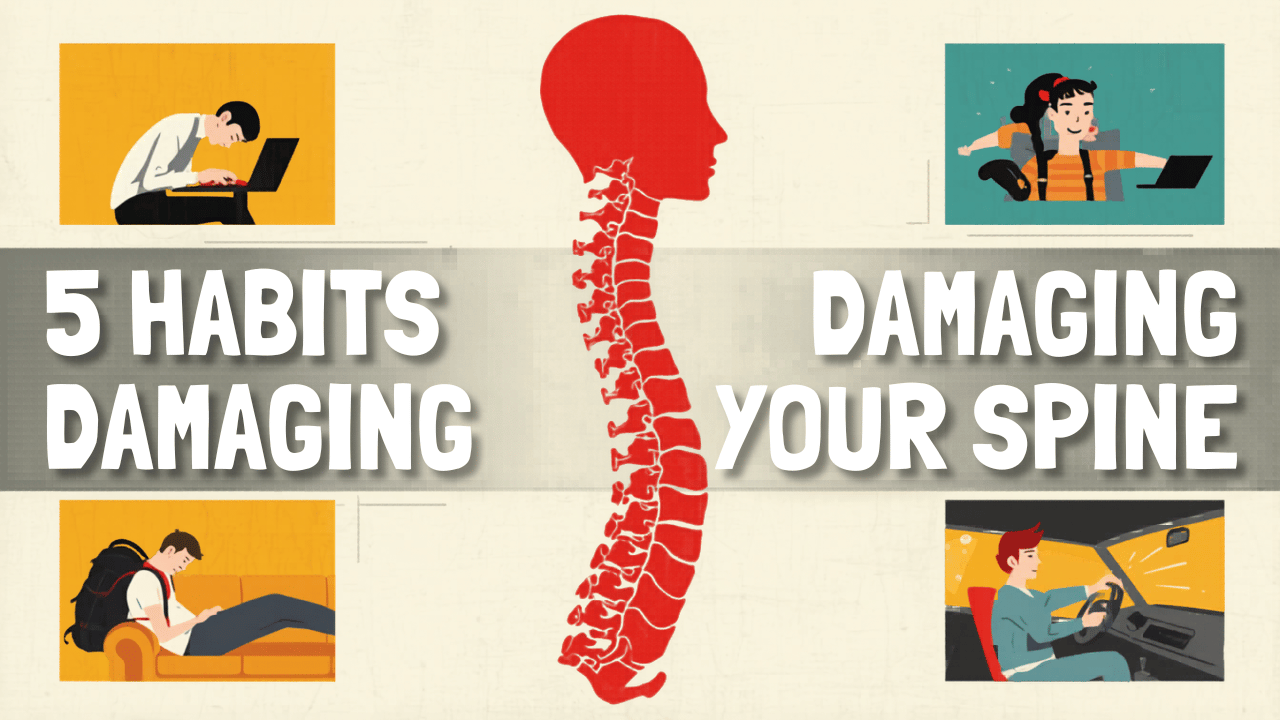
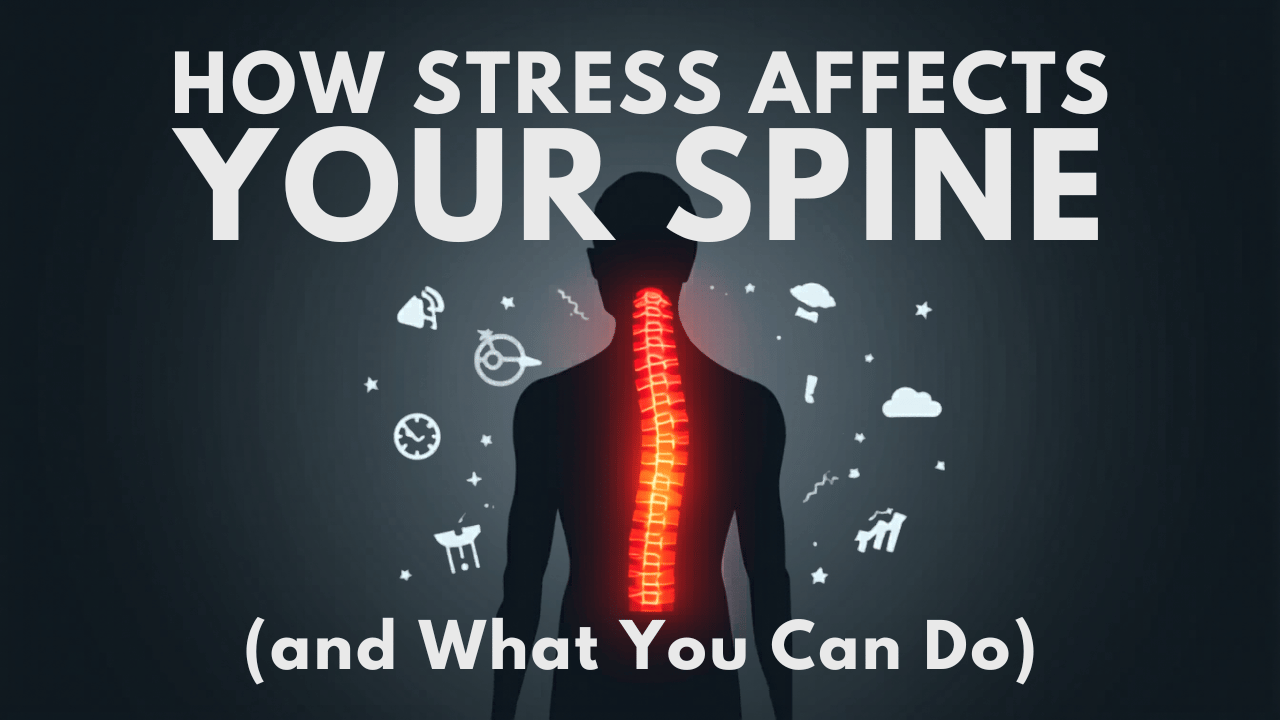
Back pain is one of the most common physical complaints in modern life, often caused by prolonged sitting, poor posture, lack of movement, and everyday stress. Whether you’re working at a desk, standing for long hours, or staying active, a daily stretching routine can be one of the simplest and most effective ways to protect your spine and prevent discomfort.
Stretching not only improves flexibility but also enhances circulation, reduces muscle tension, and supports proper spinal alignment. When practiced consistently, it can significantly lower your risk of developing chronic back pain.
In this comprehensive guide, you’ll learn a professional, easy-to-follow daily stretching routine designed to keep your back healthy, mobile, and pain-free.
Why Stretching Is Essential for Back Health
Your spine is supported by a network of muscles, ligaments, and connective tissues. When these structures become tight or weak, they place uneven stress on the spine, leading to discomfort and injury.
Key Benefits of Daily Stretching:
- Improves flexibility and range of motion
- Reduces muscle stiffness and tension
- Enhances posture and spinal alignment
- Promotes blood flow to muscles
- Decreases risk of injury
Stretching also helps counteract the effects of sedentary lifestyles, especially for those who sit for long periods.
Guidelines Before You Start
To get the most out of your stretching routine, follow these essential tips:
1. Warm Up First
Always begin with light movement such as walking or gentle joint rotations for 3–5 minutes.
2. Move Slowly and Gently
Avoid bouncing or forcing stretches. Stretch to the point of mild tension—not pain.
3. Breathe Deeply
Inhale through your nose and exhale slowly to help muscles relax.
4. Stay Consistent
Daily stretching—even just 10–15 minutes—delivers better results than occasional long sessions.
Daily Stretching Routine for Back Pain Prevention
This routine targets the lower back, upper back, hips, and core muscles—all essential for spinal support.
1. Cat-Cow Stretch
A foundational movement that increases spinal flexibility and relieves tension.
y=sin(x)y=\sin(x)y=sin(x)
-10-8-6-4-2246810-1-0.50.51-1.24, -0.94
(visual rhythm analogy for spinal wave-like movement)
How to Do It:
- Start on your hands and knees
- Inhale: arch your back and lift your head (Cow)
- Exhale: round your spine and tuck your chin (Cat)
- Repeat slowly for 8–10 breaths
Benefits:
- Improves spinal mobility
- Relieves stiffness
- Enhances coordination between movement and breathing
2. Child’s Pose
A gentle stretch that relaxes the lower back and hips.
Steps:
- Kneel on the floor and sit back on your heels
- Extend your arms forward and lower your chest
- Rest your forehead on the ground
- Hold for 20–30 seconds
Benefits:
- Releases lower back tension
- Promotes relaxation
- Gently stretches hips and spine
3. Knee-to-Chest Stretch
This stretch targets the lower back and helps relieve tightness.
Steps:
- Lie on your back
- Pull one knee toward your chest
- Hold for 15–20 seconds
- Switch legs, then repeat with both knees
Benefits:
- Reduces lower back tension
- Improves flexibility
- Eases stiffness after long sitting periods
4. Pelvic Tilt
A simple but powerful exercise to strengthen and stretch the lower back.
Steps:
- Lie on your back with knees bent
- Tighten your core and flatten your lower back against the floor
- Hold for 5 seconds, then relax
- Repeat 10–12 times
Benefits:
- Strengthens core muscles
- Supports spinal alignment
- Reduces lower back strain
5. Seated Forward Fold
A classic stretch for the entire back chain.
Steps:
- Sit with legs extended
- Reach toward your toes while keeping your back straight
- Hold for 20–30 seconds
Benefits:
- Stretches hamstrings and lower back
- Improves flexibility
- Reduces tension from prolonged sitting
6. Spinal Twist
A gentle twist that improves mobility and releases tension.
Steps:
- Lie on your back
- Bring one knee across your body
- Turn your head in the opposite direction
- Hold for 20 seconds, then switch sides
Benefits:
- Enhances spinal mobility
- Relieves tightness
- Improves posture
7. Hip Flexor Stretch
Tight hip flexors are a major cause of lower back pain.
Steps:
- Step one foot forward into a lunge position
- Lower your hips gently
- Keep your torso upright
- Hold for 20–30 seconds per side
Benefits:
- Reduces strain on lower back
- Improves posture
- Increases hip mobility
8. Bridge Pose
This stretch also strengthens the muscles supporting your spine.
Steps:
- Lie on your back with knees bent
- Lift your hips toward the ceiling
- Hold for 5–10 seconds
- Repeat 8–10 times
Benefits:
- Strengthens glutes and core
- Supports lower back
- Improves stability
9. Thoracic Extension Stretch
Perfect for counteracting slouching and desk posture.
Steps:
- Sit on a chair
- Place your hands behind your head
- Gently arch your upper back over the chair
- Hold for 10–15 seconds
Benefits:
- Improves upper back mobility
- Reduces neck and shoulder tension
- Corrects posture
10. Standing Side Stretch
A simple stretch to release tension along the spine.
Steps:
- Stand tall with feet shoulder-width apart
- Raise one arm overhead
- Lean gently to the opposite side
- Hold for 15–20 seconds
Benefits:
- Stretches side body and spine
- Improves flexibility
- Relieves stiffness
Sample 15-Minute Daily Routine
Here’s a quick routine you can follow every day:
- Cat-Cow Stretch (1–2 minutes)
- Child’s Pose (1 minute)
- Knee-to-Chest (2 minutes)
- Pelvic Tilt (2 minutes)
- Seated Forward Fold (2 minutes)
- Spinal Twist (2 minutes)
- Hip Flexor Stretch (2 minutes)
- Bridge Pose (2 minutes)
- Side Stretch (1 minute)
Common Mistakes to Avoid
Even simple stretching routines can be ineffective—or harmful—if done incorrectly.
Avoid These Errors:
- Stretching too aggressively
- Holding your breath
- Skipping warm-ups
- Being inconsistent
- Ignoring pain signals
When to Be Careful
Stretching is generally safe, but you should consult a professional if you have:
- Severe or chronic back pain
- Recent injury or surgery
- Nerve-related symptoms (numbness, tingling)
Final Thoughts
A daily stretching routine is one of the most effective and natural ways to prevent back pain. It requires no equipment, minimal time, and delivers long-term benefits for your spine, posture, and overall well-being.
The key is consistency. Even a short routine practiced daily can help you stay flexible, reduce tension, and avoid the discomfort that comes from modern sedentary lifestyles.
Make stretching a habit—just like brushing your teeth—and your back will thank you for years to come.