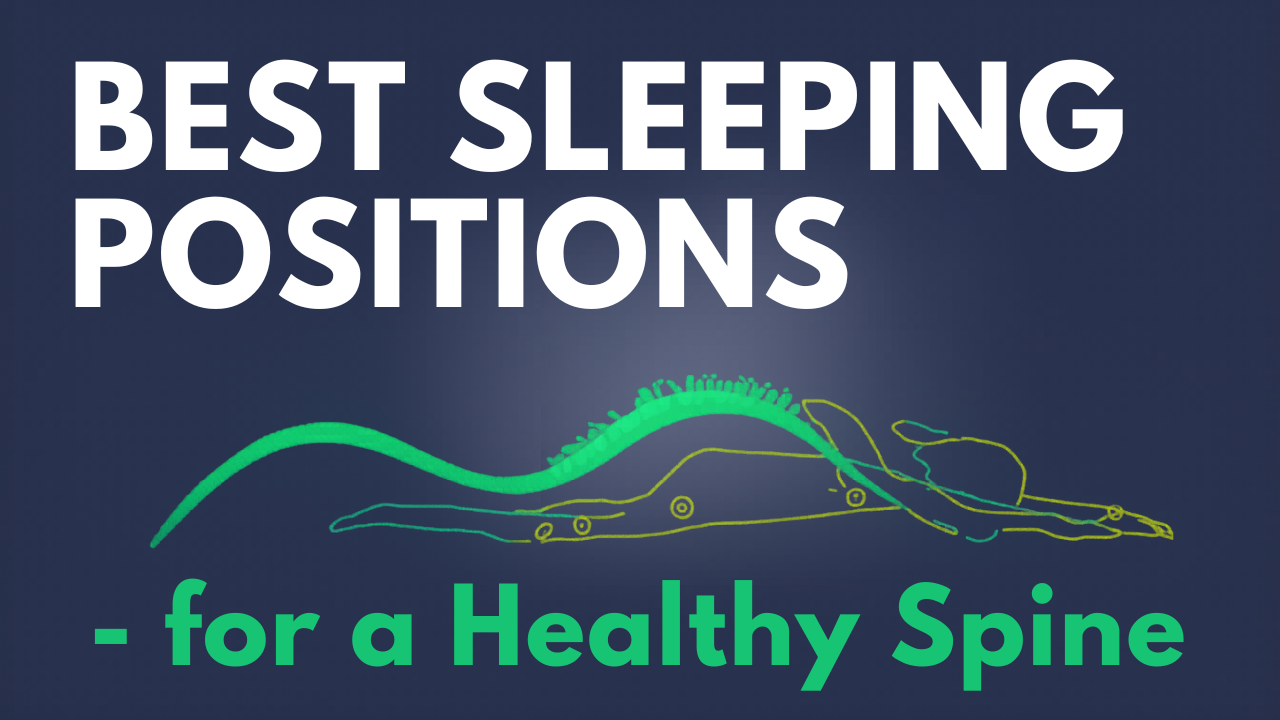
Best Sleeping Positions for a Healthy Spine
Sleep is one of the most powerful tools your body has for recovery, repair, and overall well-being. Yet, many people wake up feeling stiff, sore, or even in pain—often without realizing that their sleeping position may be the root cause.
Your spine plays a central role in your health. It supports your body, protects your nervous system, and helps you move freely. When your sleeping posture disrupts the natural alignment of the spine, it can lead to discomfort, poor sleep quality, and long-term musculoskeletal issues.
In this professional guide, we’ll explore the best sleeping positions for maintaining a healthy spine, the science behind proper alignment, and practical tips to improve your sleep posture for lasting comfort.
Why Sleeping Position Matters
Your spine has natural curves—at the neck (cervical), upper back (thoracic), and lower back (lumbar). Maintaining these curves during sleep is essential for preventing strain.
When your sleeping position forces your spine out of alignment:
- Muscles stay tense instead of relaxing
- Joints experience unnecessary pressure
- Blood circulation may be reduced
- You may wake up with pain or stiffness
Proper sleep posture allows your muscles to relax fully and your spine to rest in a neutral position.
What Is a “Neutral Spine”?
A neutral spine means your head, neck, and back are aligned in a straight, natural line without excessive bending or twisting. This position distributes body weight evenly and minimizes stress on muscles and ligaments.
Think of it as the same posture you aim for when standing upright with good form—just translated into a lying position.
The Best Sleeping Positions for Spinal Health
1. Sleeping on Your Back (Supine Position)
Sleeping on your back is widely considered the best position for overall spinal health.
Benefits:
- Keeps the spine in a neutral alignment
- Evenly distributes body weight
- Reduces pressure points
- Minimizes risk of neck and back pain
How to Do It Correctly:
- Use a supportive pillow that keeps your neck aligned
- Place a pillow under your knees to support the lower back
- Keep your arms relaxed at your sides
This position helps maintain the natural curve of your spine and reduces strain on your lower back.
2. Sleeping on Your Side (Lateral Position)
Side sleeping is another excellent option, especially for those who find back sleeping uncomfortable.
Benefits:
- Reduces pressure on the spine
- Helps alleviate snoring and sleep apnea
- Can reduce lower back pain when done correctly
How to Do It Correctly:
- Keep your head aligned with your spine using a firm pillow
- Place a pillow between your knees to prevent hip rotation
- Keep your legs slightly bent
This position is particularly beneficial for maintaining proper spinal alignment if supported well.
3. The Fetal Position (Modified Side Sleeping)
A slightly curled side position—often called the fetal position—is popular and can be comfortable when done properly.
Benefits:
- Opens up the joints in the spine
- Reduces pressure on discs
- Comfortable for many people
Key Tip:
Avoid curling too tightly. Excessive bending can round your back and strain your spine.
Positions to Avoid (or Modify)
1. Sleeping on Your Stomach (Prone Position)
This is generally the worst position for spinal health.
Why It’s Problematic:
- Forces your neck into a twisted position
- Flattens the natural curve of your spine
- Increases pressure on joints and muscles
If You Can’t Avoid It:
- Use a very thin pillow or no pillow at all
- Place a pillow under your hips to reduce lower back strain
Even with adjustments, it’s best to gradually transition away from stomach sleeping.
Choosing the Right Pillow and Mattress
Your sleeping position is only part of the equation. The support you use matters just as much.
Pillow Guidelines:
- Back sleepers: Medium loft to support the neck curve
- Side sleepers: Firmer, thicker pillow to fill the gap between shoulder and head
- Stomach sleepers: Thin pillow to reduce neck strain
Mattress Considerations:
- Medium-firm mattresses are often ideal for spinal support
- Too soft = poor support and sinking
- Too firm = increased pressure points
The goal is to keep your spine aligned while still feeling comfortable.
How to Train Yourself Into a Better Sleeping Position
Changing sleep habits isn’t easy, but it’s possible with consistency.
Practical Tips:
- Use pillows to “lock” your body into position
- Try a body pillow for side sleeping support
- Gradually shift positions over time
- Be patient—your body needs time to adapt
Common Mistakes That Harm Your Spine During Sleep
Even if you choose a good position, small mistakes can undo the benefits:
- Using too many pillows
- Sleeping on an unsupportive mattress
- Twisting your torso while lying down
- Letting your head tilt too far forward or backward
Pay attention to alignment, not just comfort.
How Sleep Position Affects Specific Conditions
1. Lower Back Pain
Best position: Back sleeping with knee support or side sleeping with a pillow between knees.
2. Neck Pain
Best position: Back or side sleeping with proper pillow support.
3. Sciatica
Side sleeping with a pillow between knees helps reduce nerve pressure.
4. Acid Reflux
Back sleeping with the head slightly elevated can help.
Morning Signs Your Sleep Position Needs Improvement
If you regularly experience:
- Stiffness in the neck or back
- Tingling in arms or legs
- Frequent waking during the night
- Feeling unrested despite enough sleep
…it may be time to reassess your sleep posture.
Quick Night Routine for Better Spinal Alignment
Here’s a simple routine to support a healthy spine:
Before Bed:
- Light stretching (5–10 minutes)
- Avoid screen use right before sleep
- Set up pillows correctly
During Sleep:
- Stay mindful of your position when you wake briefly
- Adjust pillows if needed
After Waking:
- Stretch gently before getting out of bed
- Avoid sudden movements
The Long-Term Benefits of Proper Sleep Posture
Improving your sleeping position can lead to:
- Reduced back and neck pain
- Better sleep quality
- Improved posture during the day
- Lower risk of chronic spinal issues
- Enhanced overall health and well-being
It’s a small change with a big impact.
Final Thoughts
Your sleeping position is more important than most people realize. While comfort matters, alignment is what truly determines whether your body heals or strains overnight.
By choosing positions that support a neutral spine and making simple adjustments with pillows and mattresses, you can dramatically improve how you feel each morning.
You don’t need a complete lifestyle overhaul—just a more mindful approach to how you sleep.
A healthy spine starts with how you rest.