Posture Tips for Office Workers in Rhodes: A Professional Guide to Staying Pain-Free at Work
In today’s digital-first work environment, office workers spend long hours sitting in front of screens. Whether you’re working in a corporate office overlooking the Aegean Sea or from a home workspace in Rhodes, poor posture has become one of the leading contributors to discomfort, fatigue, and chronic musculoskeletal issues.
From neck stiffness to persistent lower back pain, the effects of prolonged sitting and improper ergonomics can significantly impact productivity and overall health. The good news? With the right posture strategies and daily habits, you can prevent pain, improve focus, and maintain long-term spinal health.
This comprehensive guide covers practical, evidence-based posture tips specifically tailored for office workers.
Why Posture Matters More Than You Think
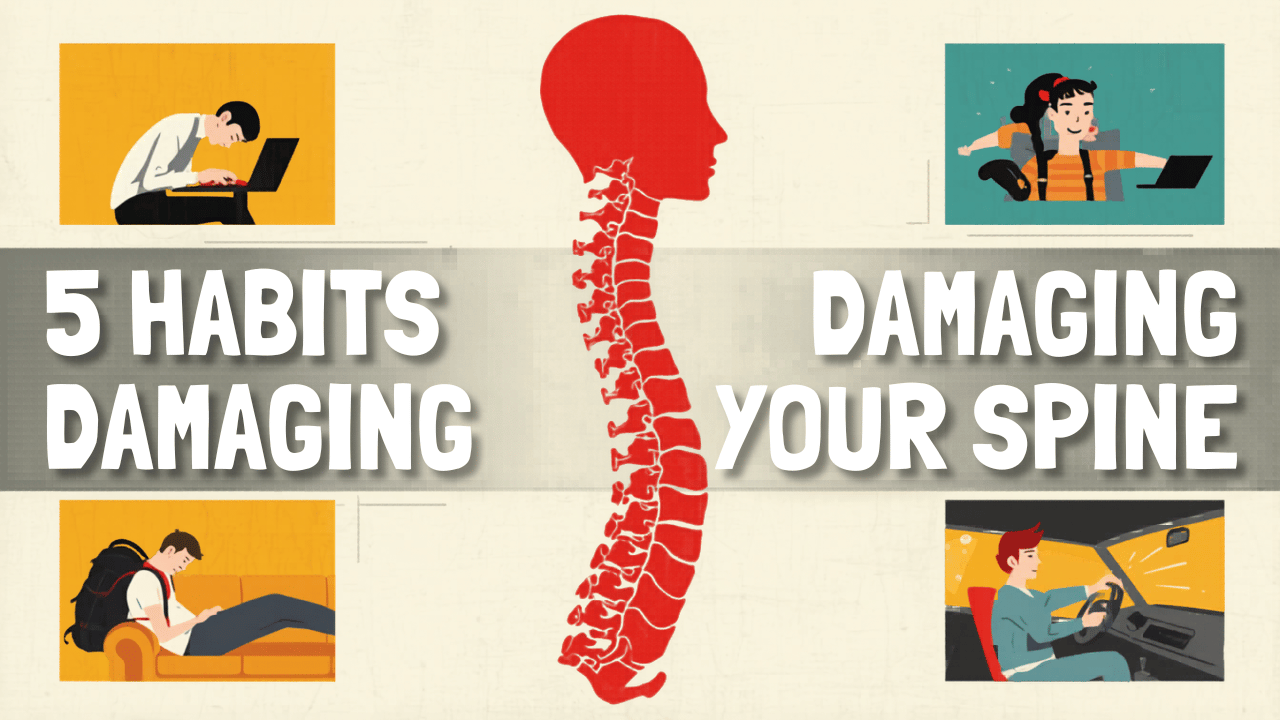
Posture isn’t just about sitting up straight—it directly affects your spine, muscles, joints, and even your energy levels.
Common Problems Linked to Poor Posture
- Lower Back Pain
- Neck Pain
- Tension Headaches
- Shoulder stiffness
- Reduced circulation
- Fatigue and decreased productivity
Over time, poor posture can lead to chronic conditions that require long-term treatment. Prevention is far easier—and far less costly—than cure.
1. Set Up an Ergonomic Workstation
Your desk setup is the foundation of good posture.
Monitor Position
- Keep your screen at eye level
- Maintain a distance of about 20–28 inches
- Avoid tilting your head forward
Chair Setup
- Use a chair with lumbar support
- Adjust height so feet rest flat on the floor
- Knees should be at or slightly below hip level
Keyboard and Mouse Placement
- Keep them at elbow height
- Wrists should remain neutral (not bent)
- Keep elbows close to your body
Why It Matters
An ergonomic setup reduces strain on your spine and helps maintain natural alignment throughout the day.
2. Maintain a Neutral Spine
A neutral spine means preserving the natural curves of your back.
How to Sit Properly
- Sit all the way back in your chair
- Keep your back straight but relaxed
- Avoid slouching or leaning forward
- Keep shoulders down and relaxed
Pro Tip
Imagine a string gently pulling your head upward—this helps align your spine naturally without tension.
3. Avoid “Tech Neck”
“Tech neck” is one of the most common posture-related issues today.
What Causes It?
- Looking down at screens
- Forward head posture
- Prolonged device use
Fix It
- Raise your screen to eye level
- Keep ears aligned with shoulders
- Take frequent breaks
This simple adjustment can prevent long-term neck strain and discomfort.
4. Take Regular Movement Breaks
Even perfect posture can’t compensate for sitting all day.
The 30-30 Rule
Every 30 minutes:
- Stand up
- Stretch
- Walk for at least 30 seconds
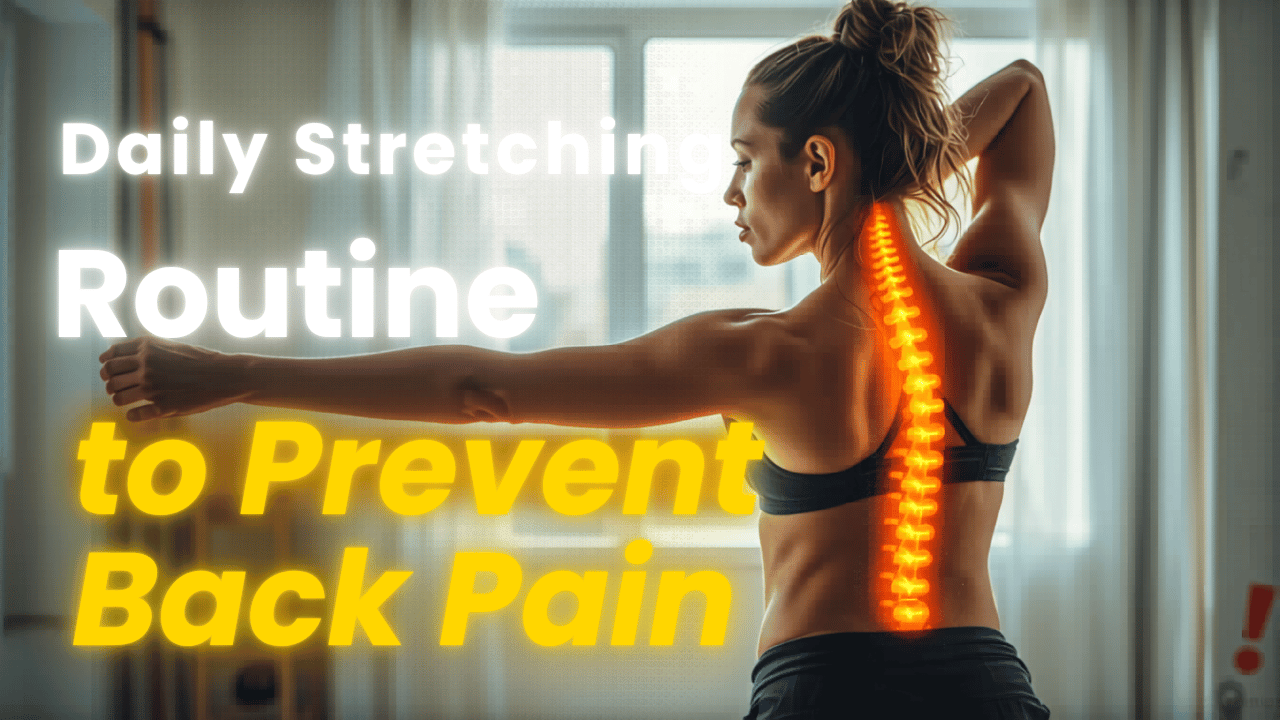
Simple Desk Stretches
- Neck rolls
- Shoulder shrugs
- Seated spinal twists
Benefits
- Improves circulation
- Reduces stiffness
- Boosts energy and focus
Movement is essential for preventing posture-related fatigue.
5. Strengthen Your Core
A strong core supports your spine and helps maintain good posture effortlessly.
Key Exercises
- Planks
- Bird Dogs
- Dead Bugs
- Glute Bridges
Why It Works
Your core muscles act as a natural brace for your spine, reducing the risk of injury and pain.
6. Adjust Your Laptop Setup
Laptops are convenient—but terrible for posture if used incorrectly.
Common Mistakes
- Looking down at the screen
- Hunching over
- Using the keyboard too low
Solutions
- Use a laptop stand
- Connect an external keyboard and mouse
- Elevate the screen to eye level
These changes can dramatically improve your posture during long work sessions.
7. Use Proper Sitting Habits
Small habits make a big difference over time.
Do This
- Keep both feet flat on the floor
- Distribute weight evenly
- Keep hips pushed back in the chair
Avoid This
- Crossing legs for long periods
- Sitting on one foot
- Leaning to one side
Balanced sitting reduces uneven strain on your body.
8. Optimize Your Work Environment in Rhodes
Living and working in a beautiful place like Rhodes often means access to natural light and inspiring surroundings—use that to your advantage.
Tips
- Position your desk near natural light
- Ensure proper room temperature
- Minimize glare on your screen
A comfortable environment encourages better posture and productivity.
9. Stay Active Outside Work
Posture doesn’t end when the workday does.
Recommended Activities
- Walking along the coast
- Swimming
- Yoga
- Light strength training
Why It Matters
Regular physical activity keeps muscles flexible and strong, counteracting the effects of prolonged sitting.
10. Practice Mindful Posture Awareness
Awareness is the first step to change.
Techniques
- Set posture reminders on your phone
- Use sticky notes on your desk
- Perform quick posture checks throughout the day
Quick Self-Check
- Are your shoulders relaxed?
- Is your head aligned with your spine?
- Are your feet flat on the floor?
These small check-ins help reinforce healthy habits.
11. Invest in Ergonomic Accessories
Sometimes, the right tools make all the difference.
Useful Items
- Lumbar support cushions
- Footrests
- Standing desks
- Ergonomic keyboards
Benefit
They help maintain proper alignment with minimal effort.
12. Standing Desks: A Smart Alternative
Standing desks are becoming increasingly popular among office workers.
Advantages
- Reduces sitting time
- Improves posture
- Increases energy levels
Best Practice
Alternate between sitting and standing every 30–60 minutes for optimal results.
13. Hydration and Posture
It may sound surprising, but hydration plays a role in spinal health.
Why It Matters
- Keeps spinal discs hydrated
- Supports joint function
- Reduces fatigue
Drink water regularly throughout the day to support overall well-being.
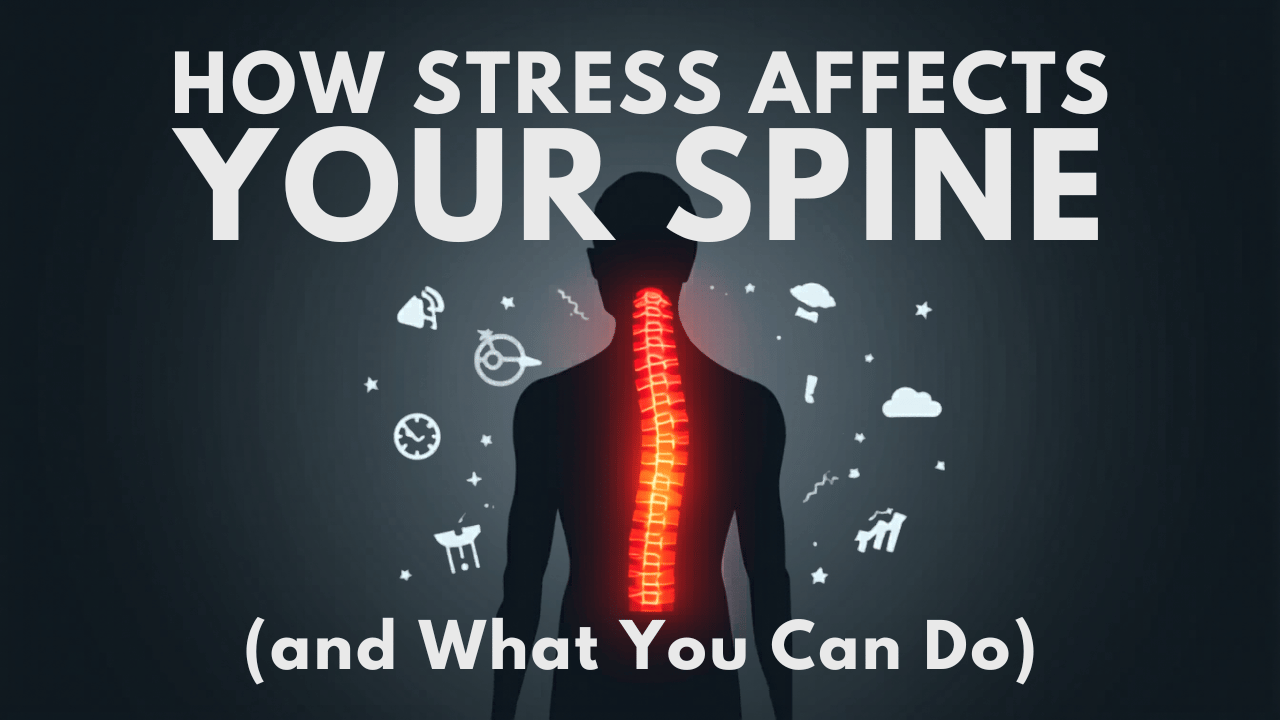
14. Manage Stress and Muscle Tension
Stress often leads to tight shoulders and poor posture.
Common Signs
- Raised shoulders
- Clenched jaw
- Shallow breathing
Solutions
- Deep breathing exercises
- Short mindfulness breaks
- Stretching routines
Relaxation helps reset your posture naturally.
15. When to Seek Professional Help
If posture-related pain persists, it may be time to consult a professional.
Consider Help If You Experience
- Chronic back or neck pain
- Limited mobility
- Persistent discomfort despite adjustments
Professionals such as physiotherapists or chiropractors can provide personalized guidance.
Final Thoughts
For office workers in Rhodes, maintaining proper posture is essential for long-term health, productivity, and comfort. While modern work habits often encourage prolonged sitting, simple adjustments—like optimizing your workstation, moving regularly, and strengthening your core—can make a profound difference.
Posture isn’t about perfection—it’s about consistency. Small, daily improvements lead to lasting results.
Start with one or two changes today, and build from there. Your spine—and your future self—will thank you.